 how-to
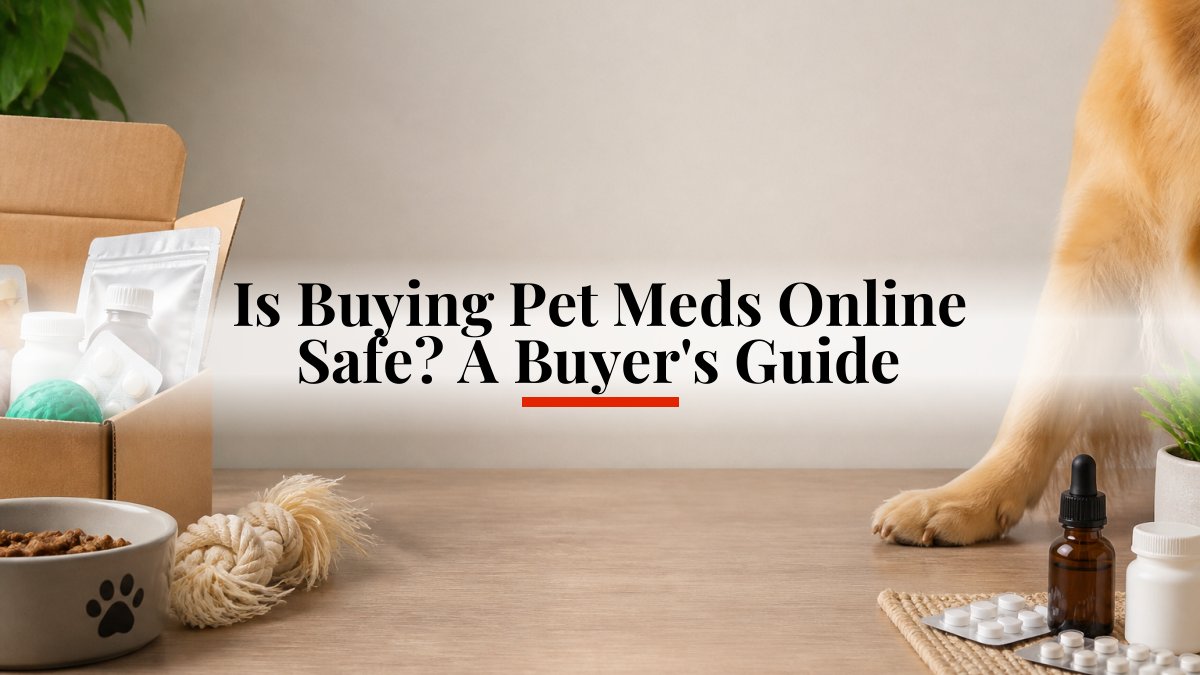
Is Buying Pet Meds Online Safe? A Buyer's Guide
Table of Contents
- Is Buying Pet Meds Online Safe?
- How to Verify an Online Pet Pharmacy
- Step 1: Confirm State Pharmacy Board Licensing
- Step 2: Verify NABP Accreditation (if claimed)
- Step 3: Check Prescription Verification Policy
- Step 4: Verify Contact Information and Test Customer Service
- Step 5: Cross-Check the Pharmacy's Physical Address
- Step 6: Look for Red Flags in Pricing and Offers
- Checklist Summary
- Online Pet Pharmacy Prescription Requirements
- Signs of Counterfeit Pet Medication
- Questions to Ask Your Veterinarian About Online Pet Meds
- Safe Ordering, Shipping, and Storage Practices
- What to Do If Your Medication Arrives Suspicious or Incorrect
- Frequently Asked Questions
Last Updated: October 11, 2026
Is Buying Pet Meds Online Safe?
Buying pet meds online safe requires careful verification and caution. The convenience of ordering from home comes with real risks: counterfeit medications, improper storage during shipping, and unauthorized sellers operating without proper licensing. The key difference between a safe purchase and a dangerous one often comes down to whether you've verified the pharmacy's credentials before ordering.
A legitimate online pet pharmacy will have clear licensing information, require valid veterinary prescriptions, and maintain proper storage standards throughout shipping.
A counterfeit medication might look identical to the real thing but contain incorrect dosages, inactive ingredients, or harmful fillers, risking your dog's health. That's why verifying a pharmacy before you order is critical.
How to Verify an Online Pet Pharmacy
Use this systematic verification checklist before ordering. Legitimate pharmacies will pass all of these checks.
Step 1: Confirm State Pharmacy Board Licensing
Every legitimate pharmacy must be licensed by the state pharmacy board where it operates. A licensed pharmacy has met specific standards for storage, handling, record-keeping, and staff qualifications.
Action: Visit your state's pharmacy board website and search for the pharmacy's name and license number. If it doesn't appear in official records, stop. Some pharmacies operate across multiple states, verify they're licensed in each state where they conduct business.
What to look for on their website: Legitimate pharmacies display their pharmacy license prominently in the footer or "About Us" section, including the pharmacy's name, license number, and issuing state. If you can't find it within 30 seconds, move on.
Step 2: Verify NABP Accreditation (if claimed)
The National Association of Boards of Pharmacy (NABP) operates Verified Internet Pharmacy Practice Sites (VIPPS). Accredited pharmacies display a clickable VIPPS seal on their website.
Action: Look for the VIPPS seal. Click it. A legitimate seal will direct you to the NABP website, where you can confirm the pharmacy's accreditation status in real time. If the seal doesn't work, or if the pharmacy claims accreditation but has no seal, that's a warning sign.
What NABP accreditation means: It confirms the pharmacy has met rigorous standards for operations, security, prescription verification, and compliance with federal and state laws. Not all legitimate pharmacies are NABP-accredited, but it's a strong indicator of legitimacy.
Step 3: Check Prescription Verification Policy
Before you add anything to your cart, confirm how the pharmacy handles prescription verification.
Action: Look for the pharmacy's prescription verification policy. They should require a valid veterinary prescription, contact the veterinarian's office directly to verify it, and refuse to dispense without verification. If the policy isn't stated, contact them. A legitimate pharmacy will answer immediately and confidently. If they're vague or suggest they can "work around" requirements, do not order.
Step 4: Verify Contact Information and Test Customer Service
A legitimate pharmacy provides multiple ways to reach them and responds promptly.
Action: Verify a physical mailing address (not a P.O. box), phone number with business hours, email, and contact form. Test their customer service with a simple question before ordering. Note response time and clarity.
Why this matters: Poor customer service often indicates an operation that doesn't prioritize safety. If they don't respond to pre-purchase questions, they're unlikely to help if problems arise.
Step 5: Cross-Check the Pharmacy's Physical Address
Action: Search the pharmacy's mailing address online. Does it appear on Google Maps? Does it match their state pharmacy board license? A real pharmacy's address should be verifiable and consistent across their website, state license, and public records.
Step 6: Look for Red Flags in Pricing and Offers
Action: Compare prices to 2-3 other legitimate sources. If the price is dramatically lower, 50% or more below market rate, ask why. Legitimate pharmacies compete on service, not by pricing below cost. Also watch for aggressive marketing: unsolicited emails, pop-ups promising "no prescription needed," or claims to "bypass" veterinary requirements. These indicate illegal operations.
Checklist Summary
Before you order, confirm:
- ☐ Pharmacy is licensed by the state pharmacy board (verified on official state website)
- ☐ NABP/VIPPS accreditation is present and clickable (if claimed)
- ☐ Prescription verification policy is clearly stated
- ☐ Multiple contact methods are available and responsive
- ☐ Physical address is verifiable and consistent
- ☐ Pricing is competitive, not suspiciously low
If any of these checks fail, choose a different pharmacy. The time you spend verifying now prevents costly and dangerous mistakes later.
Online Pet Pharmacy Prescription Requirements
A valid veterinary prescription is your first line of defense against counterfeit or inappropriate medications. Any online pharmacy that sells prescription medications without requiring a valid prescription is operating illegally.
Your veterinarian must examine your dog and determine the medication is appropriate for your pet's condition.
When you order online, the pharmacy should contact your veterinarian directly to verify the prescription is real, current, and written for your specific dog. Legitimate pharmacies never skip this step.
If a pharmacy offers to sell you prescription medications without verification, that's a major red flag. They're not following the law, and they're not protecting your pet's health.
Signs of Counterfeit Pet Medication
Counterfeit medications are a serious problem in online pet pharmacies. They can look nearly identical to legitimate products but contain wrong ingredients, incorrect dosages, no active ingredient at all, or harmful fillers. Recognizing the warning signs before you use the medication can prevent serious harm to your dog.
Visual and Packaging Red Flags
Damaged or unprofessional packaging. Real medications come in manufacturer packaging with clear, professional labeling. Counterfeits often show blurry, faded, or misaligned printing; misspellings; inconsistent fonts; dents or water damage; or loose labels. Legitimate manufacturers use standardized, high-quality printing. If packaging looks homemade or low-quality, the contents are likely counterfeit.
Missing or unclear labeling. The label should show drug name, dosage strength and form, quantity, expiration date, lot/batch number, manufacturer name, and storage instructions. If any information is missing, illegible, or unusually abbreviated, do not use the medication.
No batch or lot number. Every legitimate medication has a traceable batch number on the label. Counterfeits often lack this or have a number that doesn't match the manufacturer's records.
Price and Sourcing Red Flags
Unusually low prices. If the cost is dramatically lower than other sources, typically 40% or more below average, investigate why. Compare prices across at least three sources: your veterinarian, another verified online pharmacy, and a major pharmacy chain. A legitimate pharmacy can explain their pricing model. If they can't or become evasive, that's a warning sign.
Pharmacy location and shipping origin. Check the pharmacy's "About Us" or "Shipping" page to confirm their location and carrier.
Medication Appearance and Consistency Red Flags
The medication looks different from your last order. If you've ordered this medication before, compare the new package to what you received previously. Check color, shape, size, texture, and smell. If anything looks different, contact the pharmacy and ask why. Legitimate pharmacies may occasionally switch manufacturers but will explain this. If they can't or the change is dramatic, this is a red flag.
Inconsistent results from your dog. If your dog has taken this medication before and responded well, but the new dose produces no improvement or unexpected side effects, the medication may be counterfeit or degraded. Stop using it immediately and contact your veterinarian.
What to Do If You Spot a Red Flag
Before using the medication:
- Stop and assess. Do not give the medication to your dog yet.
- Compare to the prescription label. Verify the drug name, dosage, and quantity match what your veterinarian prescribed.
- Contact the pharmacy. A legitimate pharmacy will replace the medication or issue a refund immediately.
- Contact your veterinarian. They can advise whether to wait for a replacement or fill the prescription locally.
- Report to the FDA. If you believe you received a counterfeit medication, report it to the FDA's MedWatch program at fda.gov.
You can also contact the medication's manufacturer directly with the batch number to verify authenticity.
Never use a medication that seems suspicious. The cost of replacing it is far less than the cost of treating complications from a counterfeit or degraded product.
Questions to Ask Your Veterinarian About Online Pet Meds
Your veterinarian is your partner in keeping your dog safe. Before you order any medication online, have a conversation with your vet about it.
Ask these questions:
- Is this specific medication safe to order online, or should I fill it locally?
- Which online pharmacies do you recommend or have experience with?
- Should I be concerned about any specific risks with this medication during shipping?
- How will I know if I receive a counterfeit or damaged product?
- What should I do if the medication doesn't seem to be working?
- Are there any drug interactions I should watch for if my dog is on other medications?
Your vet may have strong preferences about where you source medications. Some veterinarians work with specific online pharmacies and trust their practices. Others prefer you fill prescriptions locally so they can monitor your dog's response more closely. Listen to their guidance, they know your dog's health history.
Safe Ordering, Shipping, and Storage Practices
Once you've verified the pharmacy is legitimate, ensure the medication arrives in good condition. Many medications are temperature-sensitive and can degrade if exposed to extreme heat or cold during shipping. Ask the pharmacy about their shipping practices before ordering. Track your package and inspect it immediately upon arrival for damage. Store medications at home according to label instructions, most need cool, dry storage away from direct sunlight; some need refrigeration. Check the expiration date to ensure you have time to use it.
Keep medications in their original containers with labels intact. This makes it easy to verify you're giving the correct dose and helps your vet identify the medication if your dog has a reaction.
What to Do If Your Medication Arrives Suspicious or Incorrect
Sometimes things go wrong even when you order from a legitimate pharmacy.
Here's what to do:
Step 1: Don't give it to your dog yet. Stop and assess the situation before administering any medication that seems off.
Step 2: Compare to previous doses. If you've ordered this medication before, compare the new package to what you received last time.
Step 3: Contact the pharmacy immediately. Describe what concerns you. A legitimate pharmacy will take this seriously and either replace the medication or issue a refund.
Step 4: Contact your veterinarian. Tell your vet about the issue.
Step 5: Report suspicious activity. If you believe you received a counterfeit medication, you can report it to the FDA.
Never use a medication that seems suspicious.
Frequently Asked Questions
How do you know if an online pet pharmacy is legitimate?
Check for state pharmacy board licensing and NABP (National Association of Boards of Pharmacy) accreditation. Look for a physical address, phone number, and accessible customer service. Legitimate pharmacies require a valid veterinary prescription and display their credentials clearly on their website. If a pharmacy sells prescription medications without asking for a prescription, it's not legitimate.
What are the warning signs of a fake online pet pharmacy?
Red flags include unusually low prices, no prescription requirement for prescription drugs, poor website design with spelling errors, missing contact information, vague or hidden company details, and pressure to buy immediately. Counterfeit medications may have misspelled labels, inconsistent packaging, or damaged seals. If something feels off about the seller, trust your instinct and shop elsewhere.
Does buying pet medication online require a veterinary prescription?
Yes, prescription pet medications require valid veterinary authorization. Your veterinarian must issue a prescription specifically for your pet. Some online pharmacies allow your vet to send the prescription directly, while others require you to provide it. Over-the-counter pet medications don't require a prescription, but buying from accredited pharmacies still ensures product quality and safety.
What questions should I ask my veterinarian before ordering pet meds online?
Ask if the medication can be safely ordered online, whether the pharmacy they recommend is accredited, how to verify the pharmacy's credentials, what storage conditions the medication needs during shipping, and what to do if the medication arrives damaged or seems incorrect. Also ask about potential drug interactions with other treatments your dog is taking and confirm the correct dosage and active ingredient.
Buying pet meds online can work well when you take the right precautions. Verify the pharmacy's licensing and accreditation, confirm your veterinarian's prescription, and inspect everything that arrives. At Shop and Bark, we believe informed pet owners make the safest choices for their dogs. When you're ready to shop for other pet health supplies with confidence, we're here to help you find exactly what your dog needs.