 how-to
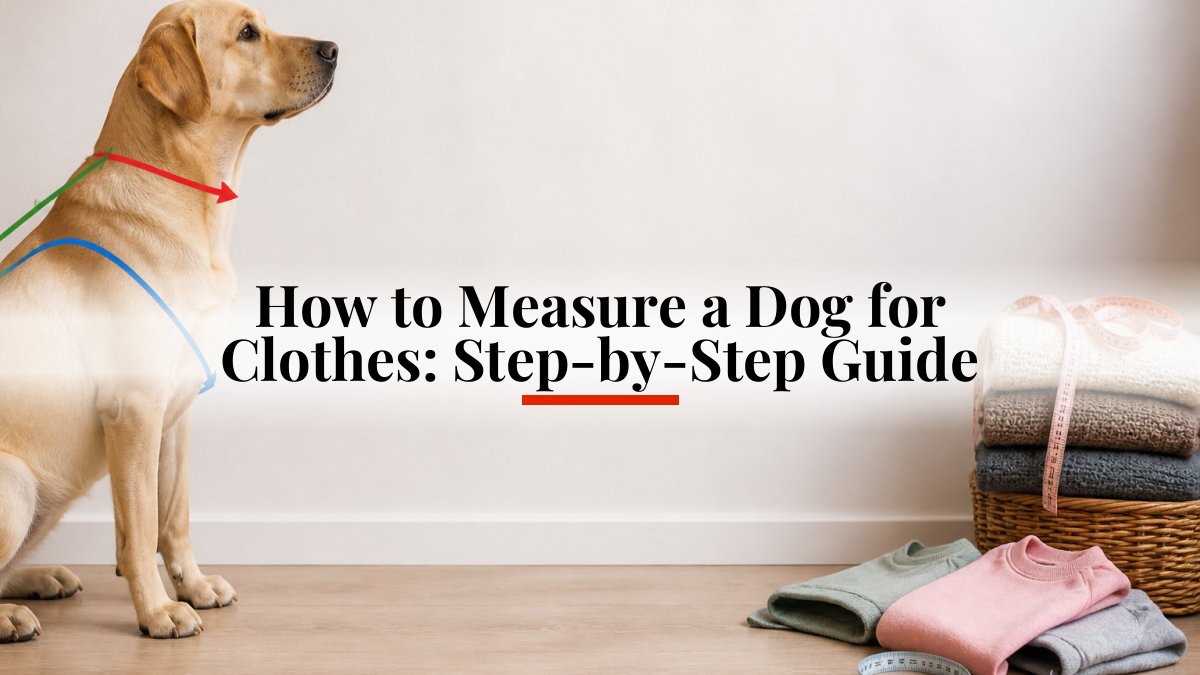
How to Measure a Dog for Clothes: Step-by-Step Guide
Table of Contents
- Why Accurate Measurements Matter for Dog Clothes
- What You'll Need Before You Start Measuring
- How to Measure a Dog's Back Length
- How to Measure a Dog's Chest for Clothing
- Measuring Neck Circumference and Positioning the Tape
- Reading a Dog Clothing Size Chart
- Dog Clothes Sizing by Weight: When It Helps and When It Doesn't
- What to Do When Measurements Fall Between Sizes
- Frequently Asked Questions
Last Updated: October 16, 2026
Why Accurate Measurements Matter for Dog Clothes
A sweater that looks right on the hanger can still rub, twist, or slip off within minutes. Learning how to measure dog for clothes takes about five minutes and saves you the hassle of returns.
Dog apparel sizing has no universal standard, so a medium from one maker can fit like a large from another. Get those numbers wrong and a tight chest band restricts breathing, a long back panel catches on the hind legs, and loose necklines let a coat slide sideways.
What You'll Need Before You Start Measuring
You need a flexible tape measure, a few treats, and a flat surface your dog will stand on without sliding.
No soft tape?
Treats matter more than people expect. Most dogs will hold still for thirty seconds if something tasty is coming.
Quick checklist:
- Flexible tape measure, string, or ribbon
- A ruler for measuring string
- Small treats
Measure your dog standing, not lying down or sitting, lying down compresses the spine and shortens the back length.
How to Measure a Dog's Back Length
Back length is the distance from the base of the neck to the base of the tail, measured along the spine while the dog stands. It decides whether a coat covers the body without dragging.
Here is the step-by-step:
- Stand your dog on all fours on a flat surface.
- Find the base of the neck, right where the collar naturally sits.
- Find the base of the tail, where the tail meets the body.
- Lay the tape along the spine, following the curve of the back.
- Read the number in inches at the base of the tail.
Do not pull the tape tight. You want it resting on the coat, not pressing into it.
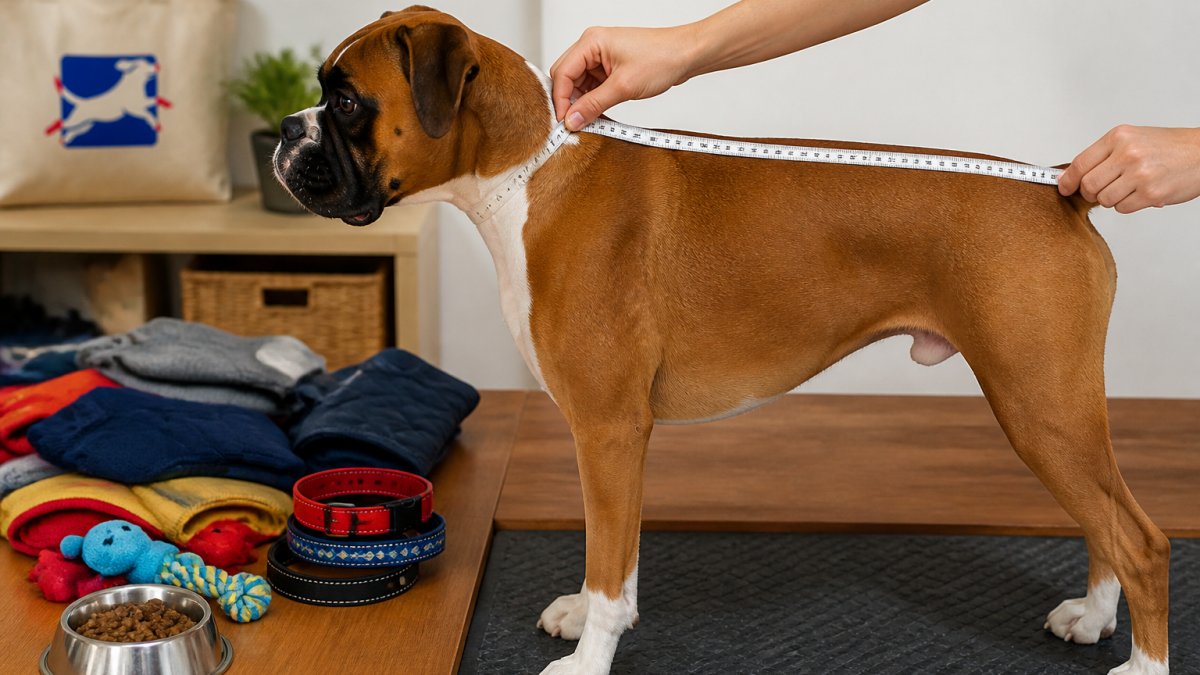
Finding the Base of the Neck and Base of the Tail
The base of the neck is where the neck meets the shoulders. Slide your hand down from the ears until you feel the shoulder blades, the dip just before them is your starting point.
The base of the tail is where the tail attaches to the body. On a fluffy dog, part the fur and look for the actual join, guessing high or low can throw your number off by an inch or more.
For long-backed breeds, measure twice. Small shifts in tape placement add up.
How to Measure a Dog's Chest for Clothing
Chest girth is the distance around the widest part of the rib cage, just behind the front legs. It matters most for fit, a coat too tight in the chest restricts movement no matter how well the back length fits.
To measure it:
- Wrap the tape around the body, right behind the front legs.
- Bring the ends together under the belly.
- Keep the tape snug but not tight.
- Read the number where the tape meets itself.
You should be able to slide one finger under the tape. If you cannot, it is too tight; if your whole hand fits, it is too loose.
Locating the Widest Part of the Rib Cage
The widest part of the rib cage sits just behind the front legs, not at the shoulders or the belly.
Run your hand along the side until you feel the ribs curve outward, then back in, the peak of that curve is your measuring line.
Some dogs have a barrel chest, and some are narrow. That is exactly why weight alone is not enough.
Measuring Neck Circumference and Positioning the Tape
Neck circumference is the distance around the neck at the collar position, the middle of the neck, not right behind the ears. Wrap the tape around the middle of the neck, keep it level rather than angled toward the head, and bring the ends together. Two placement mistakes cause most bad neck measurements: measuring at the base of the skull (too high) or at the shoulders (too low and too wide).
Tape Placement by Body Type
Tape placement depends on the dog's build, coat, and posture. Use these cues for different body types.
Deep-chested breeds (e.g., Greyhounds, Boxers, Dobermans): The widest part of the rib cage sits further back.
Fluffy or double-coated breeds (e.g., Huskies, Chow Chows, Samoyeds): Part the coat gently so the tape sits against the body, not on top of the fur, measuring over the full coat can add one to two inches to every measurement. For a dog in full winter coat, measure both ways and use the larger number for outerwear.
Short-legged, long-backed breeds (e.g., Dachshunds, Corgis): Back length is critical, and tape placement matters just as much.
Puppies and growing dogs: Measure the same way, but expect numbers to change every few weeks.
A Simple Visual Check
Before writing down any number, look at the tape from the side. It should be level, snug, and following the body's contour. If it is angled, twisted, or pressing into the coat, reposition and measure again, a five-second visual check prevents most sizing errors.
Reading a Dog Clothing Size Chart
A dog clothing size chart maps your three measurements to a letter size, usually XS through XXL.
| Measurement | Where to Measure | Why It Matters |
|---|---|---|
| Back length | Base of neck to base of tail | Stops the coat dragging or riding up |
| Chest girth | Widest part of rib cage, behind front legs | Controls movement and breathing room |
| Neck circumference | Middle of neck, at collar position | Keeps the neckline comfortable |
Sizing systems differ by garment type: a simple sweater may only list back length, a full-body costume or raincoat usually lists all three, and harness-style coats sometimes use chest girth alone.
When in doubt, check the specific product page rather than a general size guide. Shop and Bark lists the measurements each item uses so you can match your numbers directly.
Dog Clothes Sizing by Weight: When It Helps and When It Doesn't
Weight-based sizing works as a rough starting point, not a final answer. Two dogs at the same weight can have very different body shapes. A lean, tall dog and a stocky, short dog may both weigh 40 pounds but need completely different sizes.
Weight helps most when:
- You are shopping for a puppy that is still growing and you just need a ballpark
- The brand only offers weight ranges and no measurement chart
- You are buying a stretchy item like a simple knit sweater
Weight fails when:
- Your dog is a mixed breed with an unusual build
- The item is structured, like a raincoat or padded jacket
- Your dog is between two weight brackets
Coat type matters too. A dog in full winter coat measures larger than the same dog in a summer trim. If you measure in July and buy a coat for December, add a little room.
What to Do When Measurements Fall Between Sizes
When your dog lands between two sizes, the right call depends on the garment type, the fabric's stretch, and how your dog will wear it.
Step 1: Identify which measurement is between sizes.
- Chest girth between sizes is the most important one to get right, it controls breathing and movement.
- If back length is between sizes but chest girth fits one size cleanly, choose the chest girth size and check that the back panel does not drag.
- If neck circumference is between sizes, choose the size that gives at least two fingers of room under the neckline.
Step 2: Match the garment type to the fit rule.
- Structured outerwear, raincoats, padded jackets: Size up. Extra room beats a tight chest, which can restrict breathing and rub under the front legs.
- Knit sweaters and base layers: Size down if the fabric stretches, size up if it does not. A snug base layer should fit close without pinching.
- Costumes and full-body outfits: Size up. These have the least give and the most seams to rub, and a too-small costume can restrict movement and tear at the seams.
Step 3: Consider your dog's body shape.
A dog with a deep chest and narrow waist may need a size up in chest girth but a size down in back length, prioritize chest girth and look for adjustable straps or stretch panels.
Step 4: Check the brand's specific chart.
Every brand builds its own chart, so a medium from one maker can fit like a large from another.
Fit Checks After the Garment Is On
Numbers get you close, but the final test is how the garment behaves on your dog. After dressing your dog, run through these checks:
- Two fingers fit under the neckline. If not, it is too tight.
- The chest band does not pinch when your dog breathes. The fabric should move with the chest, not restrict it.
- The back panel ends before the tail, not on it. A panel covering the tail catches when your dog walks or sits.
If any check fails, exchange for the other size. A garment that fails one test will keep failing it.
Remeasuring for Puppies and Changing Coats
Puppies and dogs with changing coats need a recheck every few weeks. Measure again before each new season, and jot the date next to the numbers. It takes two minutes and prevents a drawer full of clothes that almost fit.
For puppies, measure before each growth spurt, one that fits a small in June may need a medium by August.
Frequently Asked Questions
What size does a 7 lb dog wear?
A 7 lb dog typically falls into the extra-small or small range, but weight alone is not reliable for choosing clothes. Two dogs at the same weight can have very different chest girths depending on breed and body shape. Always measure back length, chest, and neck, then compare those numbers to the specific brand's size chart. If your dog sits between sizes, size up for comfort.
How do you measure a dog's chest for clothes?
Wrap a flexible tape measure around the widest part of your dog's rib cage, just behind the front legs and elbows. Keep the tape snug against the fur but not tight enough to press into the skin. Record the number in inches. This chest girth measurement is the single most important number for most dog apparel, since it determines whether a garment will close comfortably.
Should dog clothes fit tightly or loosely?
Dog clothes should fit snugly enough to stay in place during movement but loose enough for full range of motion. You should be able to slide two fingers under the fabric at the chest and neck. If the garment bunches, twists, or restricts the front legs, it is too tight. If it slides off the shoulders or drags on the ground, it is too loose.
What should I do if my dog's measurements fall between sizes?
When your dog measures between two sizes, choose the larger size for most garments, especially sweaters and coats where layering or fur thickness matters. For snug-fitting costumes or rain gear, check the brand's specific guidance because some run generous. If the larger size is too baggy in the chest but fits the back length, look for styles with adjustable closures or Velcro straps.
Getting the fit right comes down to three numbers and a few minutes of patience. Measure the back length, chest girth, and neck circumference while your dog stands, then compare those numbers to the chart on the product page. Shop and Bark makes that last step simple, with a fast, user-friendly site, clear product details, and a customer service team that will help you match measurements to the right item. Shop Now and find apparel that fits your dog the first time.