 how-to
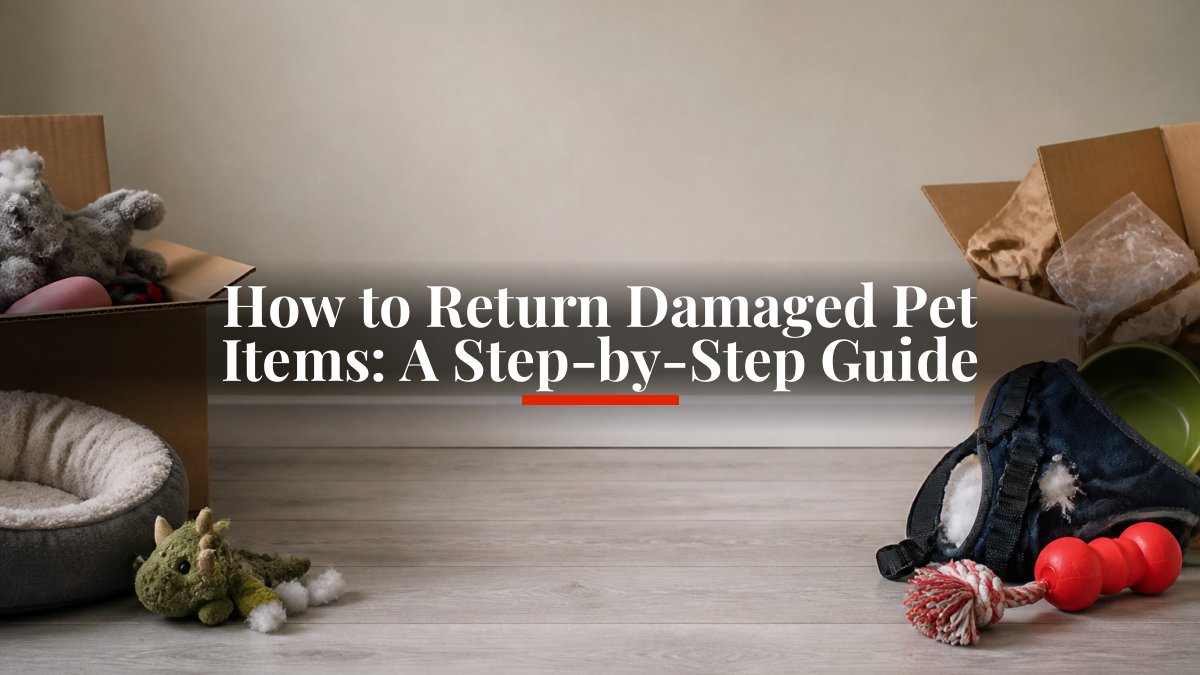
How to Return Damaged Pet Items: A Step-by-Step Guide
Table of Contents
- What to Do Immediately After Receiving Damaged Pet Items
- Documenting Damage: What Photos and Evidence You Need
- Understanding Pet Store Return Policies for Damaged Items
- How to Submit a Damaged Item Refund Request
- Special Considerations for Returning Damaged Pet Food
- Refund, Replacement, or Exchange: Which Option Is Right for You
- What to Do If Your Return Request Is Denied
- Frequently Asked Questions
Last Updated: October 12, 2026
What to Do Immediately After Receiving Damaged Pet Items
The first few hours after opening damaged pet items are critical when you need to return damaged pet items. Don't panic or throw anything away, quick action makes the return process smooth.
Here's what to do right away:
- Stop using the item immediately, even if it seems partly usable
- Keep all original packaging and materials together
- Take photos of the damage from multiple angles
- Note the exact date and time you discovered the problem
- Check your order confirmation email for the order ID and purchase date
- Document the condition of the packaging itself
Sellers need to see you caught the issue quickly and handled the item carefully.
Many pet owners open or clean damaged items before reporting the problem, which hurts their case. The seller needs to see the damage exactly as it arrived.
If the item is pet food, this step is even more urgent, damaged food poses health risks. Report it within 24 hours of delivery.
Documenting Damage: What Photos and Evidence You Need
Your evidence is everything in a damaged item return. Photos transform a "he said, she said" situation into a clear, factual case.
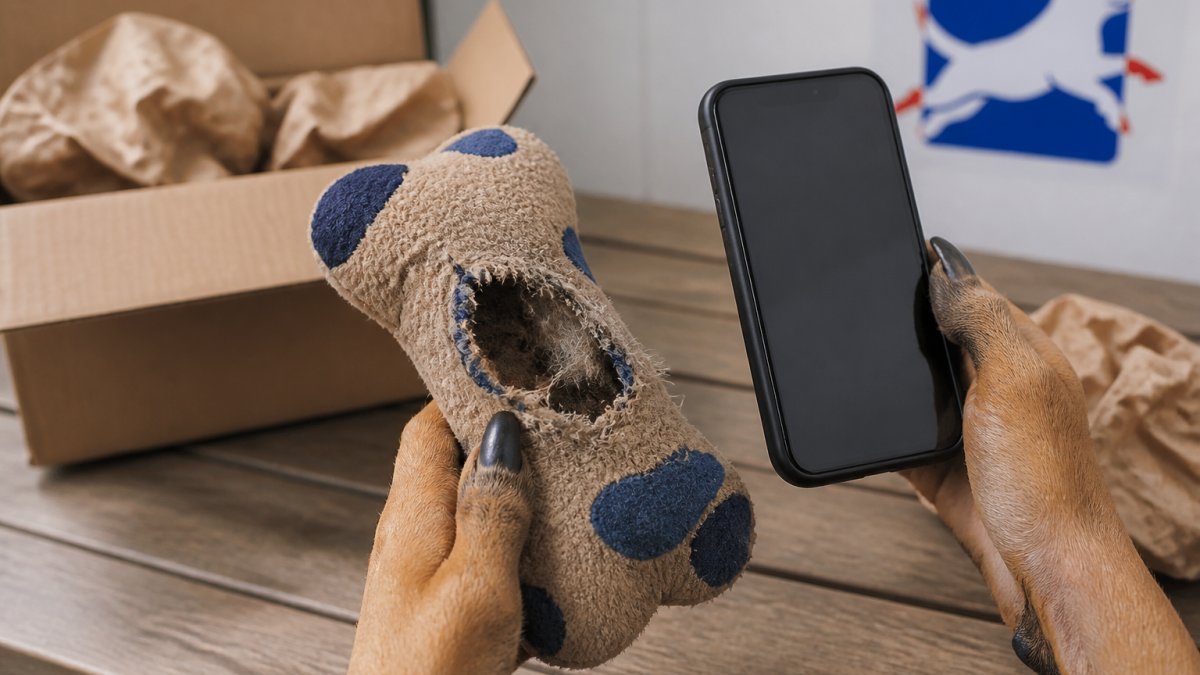
Gather this evidence before you contact the seller:
Photos you need:
- Wide shot of the damaged item in its packaging
- Close-up of the specific damage (tear, break, stain, defect)
- Photo of the item's condition from at least two angles
- Photo of the packaging exterior showing damage or dents
- Photo of your order confirmation email or receipt
Information to have ready:
- Order ID (found in your confirmation email)
- Purchase date
- Delivery date
- Exact product name and SKU if available
- Your account email address
For pet food, photograph the package seal, any visible contamination, and the lot number, which helps the seller and manufacturer track quality issues.
The best evidence includes context. One photo of just the damage isn't enough, include shots of the item's location, packaging condition, and how it relates to the rest of the shipment.
Understanding Pet Store Return Policies for Damaged Items
Return policies vary widely, and most shoppers only read them after something goes wrong, when the return window may already be closing.
1. The damage-reporting window
Most retailers separate two deadlines: the general return window (often 30 to 90 days) and a shorter damaged-item window (often 24 to 72 hours after delivery).
2. Who pays return shipping
For confirmed shipping damage, most retailers cover return postage or waive the return; for customer-caused damage or buyer's remorse, you usually pay.
3. Whether the damaged item must be sent back
4. Restocking fees and condition requirements
Restocking fees are uncommon for verified shipping damage but common for opened or non-defective returns.
How policies differ by purchase channel
- Dedicated online pet retailers: Usually the most generous; many ship replacements first, especially for food and consumables.
- General marketplaces: The marketplace sets the dispute process, but the individual seller sets the return policy. Always check the seller's policy, not just the marketplace's.
- Big-box stores with physical locations: Often allow in-store returns for online orders, which can be faster than shipping. Bring your order confirmation and the damaged item.
- Local independent shops: Policies vary the most; many handle claims in person and may replace the item on the spot with a receipt.
How policies differ by item type
- Pet food and treats: Most retailers replace damaged food at no cost and waive the return; food safety concerns speed up the claim.
- Prescription and therapeutic diets: Often require verification with the prescribing veterinarian, so keep your prescription record handy.
- Toys, beds, and accessories: Standard damaged-item rules apply; photos are usually enough.
- Electronics (automatic feeders, GPS collars, cameras): May require manufacturer troubleshooting before the retailer approves a return.
- Flea, tick, and heartworm preventatives: Often treated as pharmaceuticals, with restricted returns even if packaging arrived damaged, report damage immediately.
What to verify before checkout
- The damaged-item reporting window
- Who pays return shipping for verified damage
- Whether the item must be returned or can be photographed and discarded
- Whether restocking fees apply to damaged items
- Whether the retailer or the manufacturer handles warranty claims for electronics
At Shop and Bark, we stand behind every item we ship. If it arrives damaged, we make it right.
How to Submit a Damaged Item Refund Request
Once your documentation is ready, submitting a request to return damaged pet items is straightforward.
Step 1: Locate the return request form Find the "Contact Us" or "Returns" section on the retailer's website.
Step 2: Provide your information Include your order ID, purchase date, and product name, attach your photos, and write a brief, factual description: "The dog bed arrived with a large tear in the seam" beats "It was damaged."
Step 3: Submit your request Send the form or email. Many retailers confirm receipt within a few hours; note the confirmation number or timestamp for your records.
Step 4: Wait for a response Most pet retailers respond within 24 to 48 hours, either approving your request or asking for more information. Clear evidence and a complete order ID mean faster approval.
Keep copies of everything you send. Save the confirmation email. Screenshot the form you submitted. If there's any question later, you have proof you filed the claim.
Special Considerations for Returning Damaged Pet Food
Pet food damage requires extra caution because it affects your pet's health. If pet food arrives damaged, do not feed it to your pet, even a slightly torn package may have allowed contamination during shipping.
For damaged pet food specifically:
- Do not open the package further than necessary to assess damage
- Do not let your pet eat from a damaged package
- Report the damage immediately (within 24 hours of delivery)
- Include a photo of the lot number on the package
- Mention if the food has an odor or visible contamination
Most retailers replace damaged pet food at no cost, some refund instead, and a few ask for the package back, though many waive that for food safety reasons. Emphasize the food safety issue: damaged food can harbor bacteria or mold, and sellers usually process these claims faster.
If you ordered prescription or therapeutic pet food, note this in your claim. These specialty foods often get priority handling.
Refund, Replacement, or Exchange: Which Option Is Right for You
Refund
You get your money back, best if you've found the item elsewhere or want to shop at a different retailer.
Replacement
The retailer ships a new item at no cost, fastest if you need it urgently.
Exchange
You swap the damaged item for a different size, color, or model, useful if the original was the wrong fit or you want an upgrade.
Store credit
You receive credit toward future purchases, usually applied immediately so you can reorder right away. The downside: you're locked into that store, and credit may expire.
How to choose based on your situation
- If you need the item now: Choose replacement. Ask whether the retailer ships first or waits for the return.
- If the item is food or a consumable: Choose replacement. Waiting for a refund to process isn't practical when your pet needs to eat.
- If you've lost confidence in the retailer: Choose a refund and buy elsewhere.
- If the retailer requires the damaged item back and you don't want to ship it: Ask whether a photo is sufficient. Many retailers waive the return for food and low-value items.
- If you paid with a credit card and the retailer is slow: A refund may be safer because it gives you a clear paper trail if you need to dispute the charge later.
Who pays return shipping
For verified shipping damage, most retailers cover return postage or waive the return; if the damage is classified as customer-caused, you may pay. Get this in writing before shipping anything back.
Whether to send the damaged item back
- Send it back if: The retailer requires it, the item is high-value, or the retailer needs to inspect it for a manufacturer claim.
- Ask for a waiver if: The item is food, treats, or a consumable; the item is low-value; or the retailer accepts photos as proof.
- Don't discard anything until: You have written confirmation that you can dispose of the item. Throwing it away too early can void your claim.
How the cause of damage affects your remedy
- Shipping damage: The retailer or carrier is responsible. You should not pay return shipping, and you should receive a full refund, replacement, or exchange.
- Manufacturer defect: The retailer may handle it, or they may direct you to the manufacturer's warranty process. Ask which path applies before choosing a remedy.
- Wrong item shipped: Treat this like shipping damage. You should not pay return shipping, and the retailer should send the correct item.
- Customer-caused damage: You may still qualify for a standard return, but expect to pay return shipping and possibly a restocking fee.
Pet owners who need their items quickly should choose replacement. This gets you back in stock without delays. If you rarely shop at that retailer again, ask for a refund instead. If the retailer requires the damaged item back and you'd rather not ship it, ask whether a photo is sufficient before you agree to a remedy.
What to Do If Your Return Request Is Denied
Sometimes a return request gets denied, it's not the end of the road.
Common reasons for denial include:
- Photos don't clearly show damage
- Damage appears to be customer-caused, not shipping damage
- The claim was filed too long after delivery
- The item was opened and used extensively before the claim
If your request is denied, don't give up. Here's what to do next:
Step 1: Ask for clarification Reply to the denial email and ask why your claim was rejected, requesting details on why they believe the damage was customer-caused.
Step 2: Provide additional evidence Send more photos or information and explain why the damage occurred during shipping, not after delivery.
Step 3: Escalate your claim Ask for a supervisor or manager. A second review often yields a different result.
Step 4: Document everything Keep all emails and correspondence in case you need to escalate further.
Many pet retailers are reasonable about damaged item claims, a polite follow-up often resolves the issue.
Returning a damaged pet item doesn't have to be stressful. Document the damage clearly, submit your claim quickly, and choose the remedy that fits your situation.
Frequently Asked Questions
How long do I have to report a damaged pet item?
Contact the seller as soon as you discover damage, ideally within 24-48 hours of delivery. Most retailers have return windows of 30 days from the purchase date, but reporting damage quickly strengthens your claim and makes the return process faster. The sooner you report, the easier it is to document the issue and arrange a remedy.
What should I include in a damaged item refund request?
Include your order ID, purchase date, photos of the damage, a description of what went wrong, and your proof of purchase. Be specific: explain whether the damage occurred during shipping, if the product arrived defective, or if you received the wrong item. Attach clear photos showing the damaged packaging and the affected product from multiple angles.
Can I return damaged pet food without opening it?
Yes, most retailers accept returns of unopened damaged pet food. However, if the package is torn or contaminated, do not open it further. Report the damage immediately with photos of the sealed, damaged package. If the food was already opened before you discovered damage, contact customer service to explain, many retailers will still offer a refund or replacement for safety reasons.
Will I have to pay for return shipping on a damaged item?
Most retailers cover return shipping costs for items damaged during transit or that arrived defective. However, if the damage was caused by mishandling after delivery, the seller may require you to cover shipping. Always check the retailer's return policy or ask customer service before shipping the item back. Some sellers provide prepaid return labels for damaged items.