 how-to
How to Verify Authentic Pet Supplements
Table of Contents
- Why Verifying Pet Supplements Matters
- Understanding the Risks of Counterfeit Pet Supplements
- How to Read Pet Supplement Labels for Authenticity
- What the NASC Quality Seal Means for Pet Supplements
- Step-by-Step Verification Process for Pet Supplements
- Step 1: Verify the Manufacturer and Distributor
- Step 2: Check for Third-Party Testing and Certifications
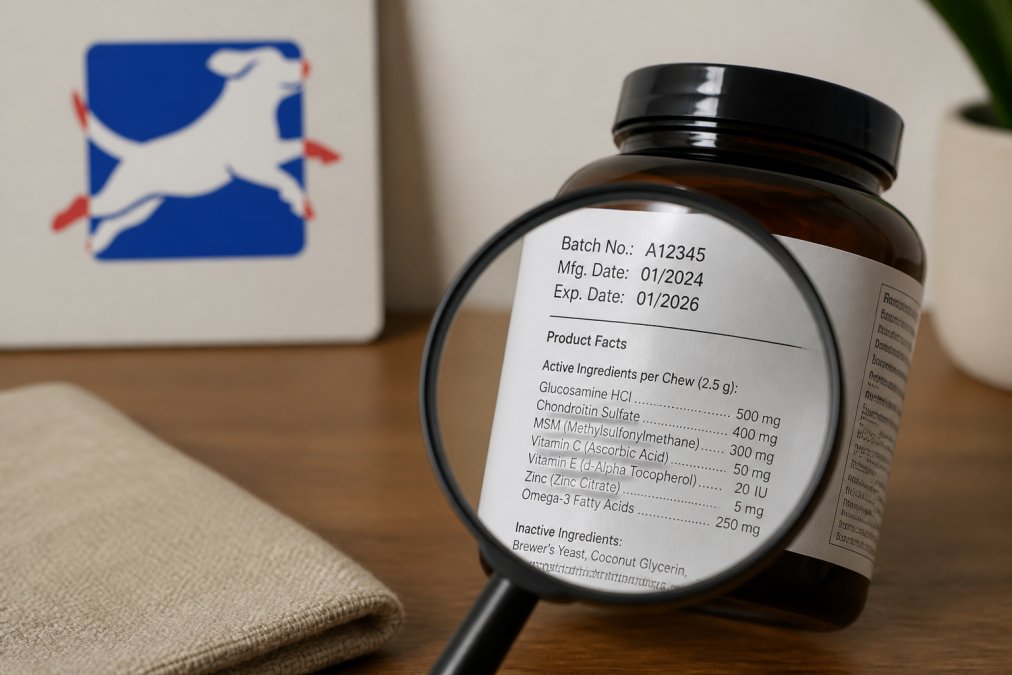
- Step 3: Locate and Record the Batch Number
- Step 4: Contact the Manufacturer to Verify the Batch
- Step 5: Use Digital Verification Tools (If Available)
- Step 6: Perform a Visual Inspection of the Product
- How to Identify Authorized Distributors and Avoid Marketplace Risks
- What to Do If You Suspect a Counterfeit Supplement
- Frequently Asked Questions
Last Updated: September 25, 2026
Counterfeit pet supplements can end up in your cart without warning. This guide walks you through exactly how to verify authentic pet supplements so you can shop with confidence.
Why Verifying Pet Supplements Matters
Counterfeit products often contain wrong ingredients, incorrect dosages, or harmful fillers, some lack the active ingredient entirely. A fake supplement could trigger allergies, medication interactions, or other health problems. Taking five minutes to verify a product before buying protects your dog and saves you from potential vet bills. This is especially critical when shopping online, where you can't inspect the bottle before it arrives.
Understanding the Risks of Counterfeit Pet Supplements
Counterfeit supplements lack proper manufacturing standards and quality control. Common problems include wrong or missing active ingredients, contamination (mold, bacteria, heavy metals), incorrect dosages, unlisted harmful additives, and no third-party testing. They're cheaper because they skip every quality and safety step legitimate manufacturers follow. The FDA does not regulate supplements the same way it regulates medications, making the market vulnerable to fraud.
How to Read Pet Supplement Labels for Authenticity
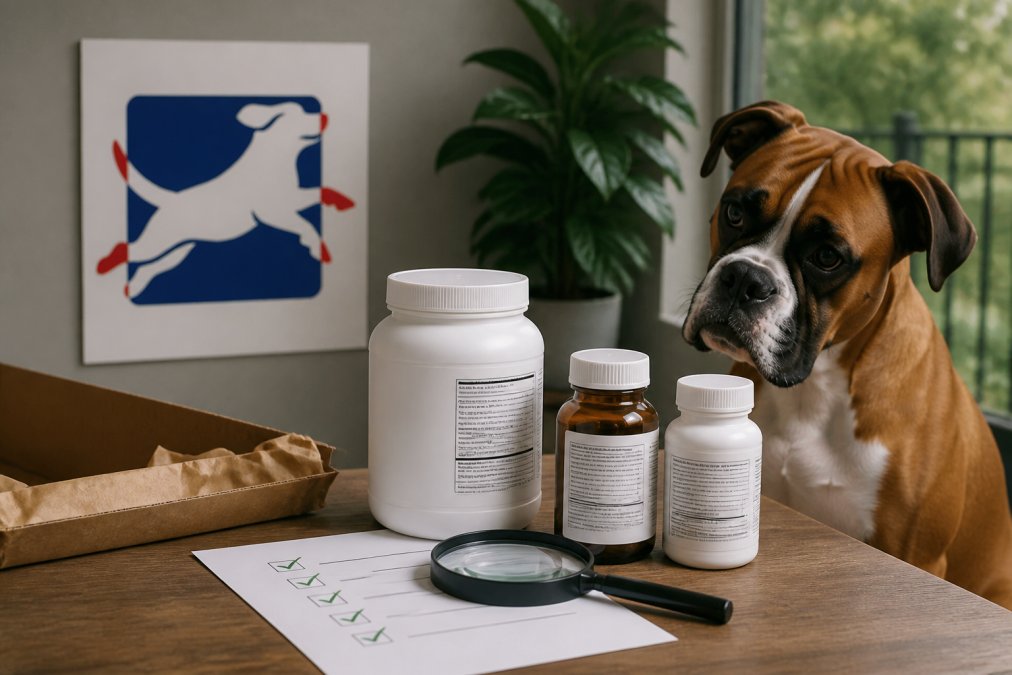
A legitimate supplement label tells you exactly what's inside and how to use it safely. A counterfeit label often has inconsistencies, vague language, or missing information.
Key Information to Check on Every Label
Manufacturer name and address, A complete physical address, not just a website. Active ingredients with amounts, Specific amounts like "Glucosamine Sulfate 500mg per serving"; vague descriptions are red flags. Supplement Facts panel, Standardized format listing serving size, servings per container, and each ingredient with amount. Lot or batch number, Every legitimate supplement has one; absence suggests counterfeiting. Expiration or "Best By" date, Real supplements have expiration dates; counterfeits often omit them. Directions for use, Clear dosing instructions specific to dogs.
Red Flags in Label Design and Formatting
Spelling or grammar mistakes, Legitimate companies proofread; typos suggest poor quality control. Blurry or pixelated text, Sign of photocopying or low-quality printing. Mismatched fonts or colors, Professional labels have consistent design. Missing required information, Absence of manufacturer details, batch numbers, or expiration dates is suspicious. Too-good-to-be-true claims, Labels claiming to "cure" or "heal" diseases are not legitimate.
What the NASC Quality Seal Means for Pet Supplements
The NASC quality seal (National Animal Supplement Council) is one of the most reliable indicators of a legitimate pet supplement. Products carrying the seal have met strict requirements including facility inspection, quality control testing, ingredient verification, and proper labeling. If you see it on the label, you've found a product from a company that takes quality seriously.
Step-by-Step Verification Process for Pet Supplements
Verifying a supplement takes five to ten minutes and can be done before or after purchase. Follow these steps to confirm authenticity.
Step 1: Verify the Manufacturer and Distributor
Visit the manufacturer's official website directly (type the URL rather than clicking search results, counterfeiters create lookalike sites). Verify the website looks professional with recent updates, lists contact information with a physical address, describes manufacturing standards, and shows the same address as the label. If you can't find the manufacturer online or the address doesn't match, the product is likely counterfeit.
Step 2: Check for Third-Party Testing and Certifications
Look for these certifications on the label: USP (U.S. Pharmacopeia), tests for purity, strength, and quality; NSF Certified for Sport, rigorous testing and quality control; NASC Quality Seal, specific to animal supplements; ConsumerLab, verifies contents match label claims. If testing is mentioned but no certification logo appears, request a Certificate of Analysis (CoA) from the manufacturer.
Step 3: Locate and Record the Batch Number
Every legitimate supplement has a batch number and expiration date printed on the label or bottle, usually on the bottom, side, or back. Write down the batch number exactly as it appears. Check the expiration date; a date more than 3 years in the future can be suspicious, as supplements typically have a 2-3 year shelf life.
Step 4: Contact the Manufacturer to Verify the Batch
Use the batch number to contact the manufacturer directly. Call or email using the contact information on the label. Legitimate manufacturers can verify batch numbers within minutes and confirm when it was manufactured, shipped, and whether any recalls apply. If they cannot find the batch number, the product is counterfeit. If they verify it, you have direct confirmation of authenticity from the source.
Step 5: Use Digital Verification Tools (If Available)
Some manufacturers provide digital verification through QR codes or batch number lookup tools. Look for a QR code on the label and scan it, or visit the manufacturer's website for a "Verify Product" page. If the product passes digital verification, you have extra assurance. If it fails, the product is counterfeit. If the manufacturer doesn't offer digital verification, it doesn't mean the product is fake, they may not have implemented this technology yet.
Step 6: Perform a Visual Inspection of the Product
Examine the physical product: Bottle and packaging, Clean, undamaged, with unbroken safety seal and firmly attached label with crisp edges. Product appearance, Uniform color and size; no visible debris, discoloration, or clumping. Smell test, No musty, chemical, or off odors suggesting contamination or age. Label print quality, Sharp, clear text with consistent fonts and even, professional color printing.
How to Identify Authorized Distributors and Avoid Marketplace Risks
Not all online sellers are authorized to sell specific supplements. Buying from an unauthorized seller increases your risk of getting a counterfeit, especially on large marketplaces where third-party vendors operate alongside official retailers.
Finding Authorized Retailers
Start by visiting the manufacturer's official website and looking for an "Authorized Retailers" or "Where to Buy" page. Legitimate manufacturers maintain this list to help customers avoid counterfeits. If the manufacturer doesn't list authorized sellers online, contact them directly using the phone number or email on the product label.
Vetting Sellers on Marketplace Platforms
On Amazon, eBay, or similar platforms, check the seller's profile: active for 2+ years, 95%+ positive ratings, specializes in pet products, and has reviews confirming authentic products. Read recent reviews for mentions of "authentic," "counterfeit," or "real." Verify the seller's location, U.S.-based sellers are generally lower-risk. Compare pricing: a 10-15% discount is normal; 40%+ off is suspicious.
Check the "Sold by" and "Fulfilled by" labels. On Amazon, for example:
- "Sold by [Brand Name] and Fulfilled by Amazon" is the safest option, the manufacturer controls the inventory
- "Sold by [Brand Name] and Fulfilled by [Brand Name]" is also legitimate
- "Sold by [Third-Party Seller] and Fulfilled by Amazon" carries moderate risk; the seller sources the product, but Amazon handles logistics
- "Sold by [Third-Party Seller] and Fulfilled by [Third-Party Seller]" is highest-risk; you're relying entirely on the seller's integrity
Red Flags for Unauthorized or Suspicious Sellers
- Unusually cheap shipping or free shipping on expensive items. Counterfeiters sometimes offer free or heavily discounted shipping to offset the low product cost and attract bargain hunters.
- Seller has no business website or social media presence. Legitimate distributors typically have an online footprint beyond the marketplace listing.
- Product listed as "New" but with a very old manufacture date. This suggests the seller has old inventory, possibly from unauthorized channels.
- Seller refuses to provide proof of authenticity or a Certificate of Analysis. Authorized distributors can usually provide documentation; unauthorized ones cannot.
- Multiple negative reviews mentioning damaged seals or packaging. This suggests products may have been repackaged or handled improperly.
Direct-to-Manufacturer Purchasing
The safest option is to buy directly from the manufacturer's website. This eliminates the middleman entirely and ensures you're getting a product that has been stored and handled according to the manufacturer's standards. Many manufacturers offer subscription discounts or loyalty programs for direct purchases, which can offset any price difference versus marketplace retailers.
What to Do If You Suspect a Counterfeit Supplement
Stop giving it to your dog immediately. Don't wait to verify, err on the side of caution.
Frequently Asked Questions
How can I tell if a pet supplement is FDA approved?
The FDA regulates pet supplements as animal feeds or drugs depending on their claims. Look for a statement on the label indicating FDA registration or compliance with FDA guidelines. Check the manufacturer's website or contact them directly to verify registration status. Third-party testing organizations like USP (U.S. Pharmacopeia) and NSF International also validate that products meet quality standards. When buying authentic pet supplements, always verify the manufacturer's FDA compliance history through official channels.
What is the NASC quality seal on pet supplements?
The National Animal Supplement Council (NASC) quality seal indicates that a supplement manufacturer meets strict standards for ingredient sourcing, manufacturing processes, and quality assurance. Products bearing this seal have undergone rigorous audits and comply with NASC guidelines. The NASC quality seal meaning is significant because it signals third-party verification of manufacturing practices. When you see this seal on a pet supplement label, it provides independent confirmation that the product was made under controlled conditions designed to prevent contamination and adulteration.
Are there risks to buying pet supplements from third-party marketplaces?
Yes, third-party marketplaces present significant risks including counterfeit products, storage issues, and compromised supply chains. Supplements stored in improper conditions may lose potency or become unsafe. Counterfeiters exploit popular products on these platforms, making it harder to verify authenticity. To minimize risk, buy directly from authorized distributors or the manufacturer's official website. If you purchase from marketplaces, verify the seller's credentials, check for recent product reviews mentioning authenticity concerns, and inspect the packaging thoroughly upon arrival.
What should I look for on a pet supplement label?
When learning how to read pet supplement labels, check for the manufacturer's name and address, a complete ingredient list with quantities, the lot number, expiration date, and any quality seals or certifications. Look for statements about third-party testing and the product's intended use. Verify that active ingredients match the product's claims. The label should clearly state the supplement type and any warnings or contraindications. If information is missing, misspelled, or poorly printed, this is a red flag for counterfeit products.