 how-to
How to Find Reliable Pet Retailers: A Buyer's Guide
Table of Contents
- Why Choosing the Right Pet Retailer Matters
- Step 1: Assess a Retailer's Reputation and Customer Reviews
- Step 2: Verify Animal Sourcing and Supplier Practices
- Step 3: Evaluate Signs of Responsible Animal Care
- Step 4: Compare Online Pet Store Return and Shipping Policies
- Step 5: Assess Staff Knowledge and Customer Service
- Best Online Pet Stores: What Sets Them Apart
- Pet Supply Shipping Policy: Understanding Delivery Standards
- Frequently Asked Questions
Last Updated: October 5, 2026
Why Choosing the Right Pet Retailer Matters
Finding reliable pet retailers as a trustworthy source for your pet's needs is one of the most important decisions you'll make as a pet owner. The wrong retailer can leave you with low-quality products, sick animals, or worse, financial loss and heartbreak. At Shop and Bark, we know how overwhelming it can be to separate good retailers from the ones that cut corners on animal welfare and product quality.
When you choose a reliable pet retailer, you're not just buying supplies. You're investing in your pet's health, safety, and happiness. A responsible retailer stocks quality products, sources animals ethically, maintains clean facilities, and employs knowledgeable staff who genuinely care about pet welfare. The stakes are too high to settle for convenience alone.
This guide walks you through practical steps to evaluate any pet retailer, whether you're shopping online or visiting a physical store. We'll show you exactly what to look for, which questions to ask, and how to spot red flags that signal a retailer you should avoid.
Step 1: Assess a Retailer's Reputation and Customer Reviews
Start by researching what other customers actually experienced. Online reviews reveal patterns that single conversations cannot. Look beyond the star rating itself and dig into what people are saying.
Reading beyond star ratings
A five-star average means nothing if half the reviews mention sick animals or missing items. Read the most recent reviews first, they reflect current operations. Look for specific complaints that repeat across multiple reviews:
- Animals arriving ill or injured
- Dead-on-arrival livestock or aquatic animals
- Slow or damaged shipments
- Poor return policies or refusal to honor guarantees
- Unresponsive customer service
Pay special attention to one-star and two-star reviews. These reveal what actually goes wrong. A retailer with 4.8 stars but zero negative reviews is suspicious. Real businesses always have some unhappy customers.
Check multiple review platforms. A retailer might look great on their own website but have poor ratings on independent review sites. Compare the story across Google Reviews, Trustpilot, and industry-specific forums where pet owners gather.
Checking licensing and complaint records
Responsible retailers maintain proper licenses and have clean complaint histories. This step separates legitimate operations from fly-by-night operations.
Search your state's business licensing database for the retailer's name. Verify their license is current and in good standing.
Look up complaint records with your state's attorney general office or consumer protection agency. A few complaints over many years is normal. A pattern of unresolved complaints is a warning sign. Some retailers face repeated complaints about the same issue, sick animals, fraudulent advertising, or refusal to refund, which indicates systemic problems, not isolated mistakes.
For online retailers, verify they're registered with the Better Business Bureau and review their complaint history there. BBB ratings show whether a business responds to complaints professionally.
Step 2: Verify Animal Sourcing and Supplier Practices
Where animals come from matters enormously. A retailer sourcing from responsible breeders or shelters is fundamentally different from one buying from puppy mills or large-scale breeding operations that prioritize volume over welfare.
Questions to ask about breeding and sourcing
A responsible retailer can answer these questions clearly. They'll have documentation. They'll be proud of their suppliers. If a retailer gets defensive or vague, that's a red flag.
Request references from previous customers who bought animals. A legitimate retailer will provide them. Call or email those customers and ask about the health and temperament of the animals they received.
Avoid retailers that cannot or will not disclose their suppliers. Secrecy around sourcing is a classic sign of problematic breeding practices. Legitimate breeders want their reputation known.
Step 3: Evaluate Signs of Responsible Animal Care
When you visit a physical pet store or review photos and videos of an online retailer's facility, look for concrete signs of proper animal care.
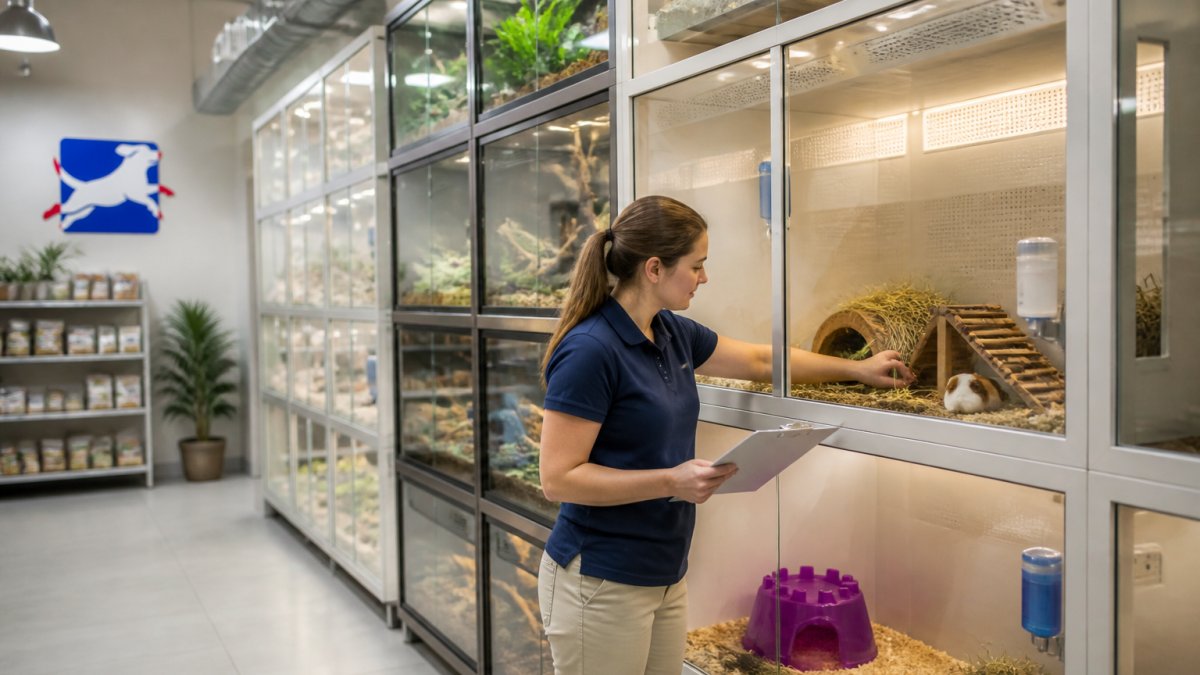
Housing, cleanliness, and species-specific welfare
Different species have different needs. A responsible retailer understands these differences. Puppies need socialization and appropriate nutrition. Reptiles need species-specific temperature and humidity. Fish need properly cycled tanks. If the retailer treats all animals the same way, they don't understand welfare.
Ask the staff about their care protocols. How often do they clean enclosures? What do they feed each species? How do they quarantine new animals to prevent disease spread? Knowledgeable staff will answer confidently. Staff that shrugs or gives generic answers suggests inadequate training.
Step 4: Compare Online Pet Store Return and Shipping Policies
Online retailers handle products differently. A good policy protects you. Review these specific terms before purchasing.
What to look for in shipping terms
Read the retailer's shipping policy word-for-word. Look for these critical details:
- Shipping method: Do they use expedited shipping?
- Temperature control: Do they use insulated packaging and heat or cold packs as needed?
- Arrival guarantee: What happens if an item arrives damaged or incorrect? Will they replace it or refund your money?
- Liability limits: Some retailers limit their responsibility. Understand what they will and won't cover.
For non-living supplies, check standard shipping policies:
- Do they offer free shipping above a certain order amount?
- How long is the typical delivery window?
- Can you track your shipment?
- What's their return window for defective or wrong items?
Step 5: Assess Staff Knowledge and Customer Service
The people who work at a retailer reveal how seriously the business takes animal welfare. Knowledgeable, caring staff are a sign of a responsible operation.
Visit the store or contact customer service with a detailed question about pet care. Don't ask something generic like "Do you have dog toys?" Instead, ask something specific: "I'm looking for a durable chew toy for a strong chewer. What materials do you recommend, and what should I know about their safety?"
A good staff member will ask you questions in return. They'll want to understand your situation before making a recommendation. They'll mention potential challenges, not just benefits. They'll warn you if a breed or species isn't right for you.
Poor customer service shows up as:
- Long wait times for responses (days or weeks)
- Generic, copy-paste answers that don't address your specific question
- Staff that pressure you to buy without asking about your needs
- Refusal to answer questions or admit limitations
- No follow-up support after purchase
Good customer service means the retailer is available when you need help. They respond quickly. They genuinely want you and your pet to succeed together. This attitude extends to their animal care practices.
Best Online Pet Stores: What Sets Them Apart
Online retailers that excel in the categories above share common traits. They prioritize transparency, animal welfare, and customer support over volume and speed.
The best retailers clearly disclose their sourcing practices. They stand behind their products without asterisks. They employ staff trained in pet care. They respond to customer questions thoughtfully and quickly.
Shop and Bark exemplifies these standards. We source products from suppliers we vet personally. We maintain transparent policies on shipping, returns, and customer support. Our team has years of industry experience, and we're here to help you find exactly what your pet needs, whether that's specialized equipment or expert advice on introducing a new animal to your home.
When you shop with a retailer that meets these standards, you're choosing peace of mind. You're investing in your pet's wellbeing, not just buying products at the lowest price.
Pet Supply Shipping Policy: Understanding Delivery Standards
Shipping policies for pet supplies differ from policies for living animals, but they're equally important. A good policy ensures your products arrive intact and on time.
Carrier selection and transit protection
Responsible retailers choose shipping carriers carefully. They use carriers with proven track records for handling packages gently. They don't just pick the cheapest option.
Look for these shipping protections:
- Insulated packaging: Protects products from temperature extremes
- Padding and cushioning: Prevents items from shifting and breaking during transit
- Weather-resistant materials: Protects against rain and moisture
- Tracking: You can see where your package is at all times
- Signature required: For high-value items, confirms delivery to the correct address
- Damage liability: The retailer or carrier covers damage that occurs during shipping
Standard ground shipping works fine for most pet supplies. However, perishable items like fresh food or treats need expedited shipping with temperature control. Ask the retailer how they handle perishables specifically.
Check the retailer's damage claim process. If something arrives broken, how quickly will they replace it or refund your money? A good retailer makes this process simple. A bad one makes you jump through hoops.
Compare shipping costs across retailers, but don't let shipping be your only decision factor. A retailer that charges slightly more for shipping but uses better packaging and faster carriers often delivers a better experience than one that charges less but uses minimal packaging and slow carriers.
Finding reliable pet retailers requires effort, but it's worth it. Your pet depends on you to make smart choices about where their food, toys, and care products come from. Take time to research. Ask questions. Read reviews carefully. Verify sourcing and policies. When you find a retailer that meets these standards, you've found a partner in your pet's health and happiness.
Shop and Bark is built on these principles. We've invested years in building relationships with quality suppliers. We maintain transparent policies because we believe you deserve to know exactly what you're getting. We staff our team with people who genuinely care about pets. When you shop with us, you're choosing a retailer that shares your commitment to your pet's wellbeing. Shop Now and discover the difference that responsible retail practices make.
Frequently Asked Questions
How can I tell if an online pet retailer is trustworthy?
Check for transparent sourcing information, read detailed customer reviews on multiple platforms, verify licensing and complaint records with state authorities, and look for clear return and shipping policies. Trustworthy retailers respond to customer inquiries promptly. Contact their customer service with questions before purchasing, reliable pet retailers are responsive and knowledgeable.
What should I check before buying pet products online?
Verify the retailer's return policy for damaged or incorrect items, confirm shipping methods protect sensitive products, and read customer reviews specific to the items you're buying. Review their post-purchase support options in case issues arise after delivery.
How do I compare pet store return and shipping policies?
Look for clear, written policies on the retailer's website covering return windows, refund methods, and restocking fees. For shipping, compare carrier options (UPS, USPS), delivery timeframes, and whether they offer tracking. Check if they use climate-controlled packaging for temperature-sensitive items. Read customer reviews mentioning actual shipping experiences to gauge reliability beyond stated policies.
What makes the best online pet stores different from big-box retailers?
The best online pet stores typically offer specialty product selection, personalized customer service, flexible ordering options, and expertise in product categories. They often provide transparent sourcing and responsive support. While big-box retailers offer convenience and competitive pricing, specialty retailers focus on quality, animal welfare standards, and building relationships with customers who need tailored advice for their pets' needs.