 blog
Durable Chew Toys for Aggressive Chewers
Table of Contents
- What Defines an Aggressive Chewer
- Material Durability and Non-Toxic Standards
- How to Stop a Dog From Destroying Toys
- Choosing the Right Size and Intensity Level
- Vet-Recommended Chew Toys and Safety Considerations
- Dental Health and Enrichment Benefits
- Durable Chew Toys That Actually Last
- Frequently Asked Questions
Last Updated: September 20, 2026
What Defines an Aggressive Chewer
An aggressive chewer is a dog that destroys toys through intense, sustained chewing rather than casual play. These dogs apply significant bite force and persistence, working through materials with determination. Large breeds, power chewers, and dogs with high prey drive often fall into this category, though any dog can develop aggressive chewing habits when bored or anxious.
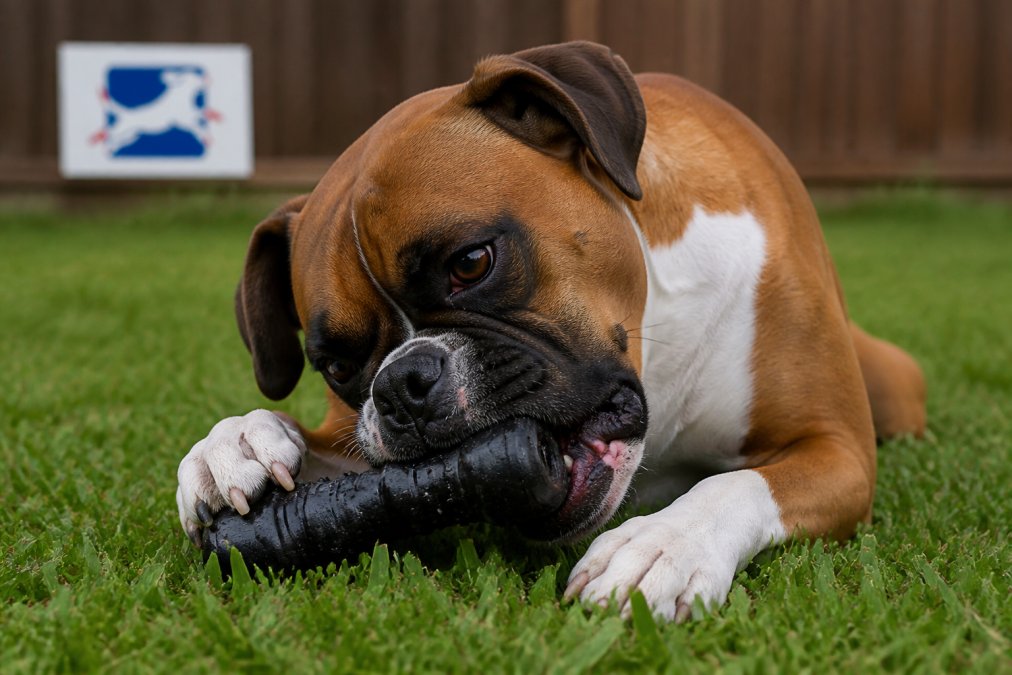
The distinction matters because standard toys simply won't hold up. A typical plush toy lasts minutes. A durable chew toy for aggressive chewers is engineered to withstand repeated, forceful contact without tearing, splintering, or breaking apart. This isn't about preference, it's about safety and value. A toy that disintegrates becomes a choking hazard and a waste of money.
Aggressive chewing often stems from natural instinct, teething in puppies, or boredom in high-energy dogs. Some dogs chew to self-soothe during anxiety. Understanding your dog's chewing intensity helps you select toys that match their actual behavior, not wishful thinking about what they should do.
Material Durability and Non-Toxic Standards
The material your toy is made from determines whether it survives one session or dozens. Natural rubber, reinforced nylon, and dense polyurethane rank among the most durable options. These materials resist puncture, tearing, and degradation under intense jaw pressure.
Non-toxic standards matter equally. Your dog will ingest small particles through normal wear. Toys should be free from BPA, phthalates, and other harmful chemicals. Look for toys that meet safety standards and are designed with heavy-duty use in mind. Many manufacturers now highlight non-toxic certifications because pet owners increasingly demand them.
The best durable chew toys for aggressive chewers combine material strength with safety. A toy might be indestructible but useless if it contains toxins. Conversely, a non-toxic toy that shreds into pieces is equally problematic. The balance between durability and safety is where quality products distinguish themselves.
Tear-resistant materials tend to cost more upfront but deliver better value over time. A toy that lasts six months costs less per month than one lasting two weeks, even at a higher purchase price.
How to Stop a Dog From Destroying Toys
Destructive chewing often signals a mismatch between toy durability and your dog's actual bite force. The first step is understanding your individual dog's chewing intensity, which varies significantly by breed, age, and temperament, not size alone.
Breed-specific chewing profiles matter because jaw strength and bite force differ dramatically. A German Shepherd exerts 238 PSI of bite force, while a Pitbull can reach 235 PSI. A Labrador Retriever, despite similar size, generates around 230 PSI. Smaller breeds like a Jack Russell Terrier, though only 15 pounds, can deliver 200 PSI due to their intense prey drive and tenacious chewing style. Matching toy durability to your dog's actual bite force, not just their weight, prevents rapid destruction and frustration.
Supervision during initial play sessions reveals your dog's true chewing style. Watch whether they gnaw steadily, shake toys violently, or attempt to tear seams. Dogs that shake toys need toys with reinforced stitching. Dogs that gnaw persistently need materials resistant to puncture. Dogs that target seams need seamless or welded construction. This observation takes 10-15 minutes but informs every toy purchase afterward.
Recognize early wear-and-tear signs before toys become hazardous. Small cracks in rubber toys, visible fraying on nylon edges, or loose threads on braided toys are replacement triggers, not warnings to monitor. Once visible damage appears, the toy's structural integrity is compromised. Remove it immediately, don't wait for pieces to separate. A toy that's 90% intact but showing cracks will fail within days of continued use.
Rotation extends toy lifespan and maintains engagement. Rather than leaving all toys available, introduce different toys on alternating days. A toy your dog ignored Monday becomes novel on Friday, sustaining interest without constant destruction. This also allows damaged toys time to be inspected and cleaned before reintroduction.
Mental stimulation directly reduces destructive chewing. Bored dogs chew more aggressively and intensely. Puzzle toys, treat-dispensing chew toys, and interactive play sessions tire your dog mentally, which is more effective than physical exercise alone at reducing destructive behavior. A mentally engaged dog is less likely to demolish whatever toy is nearby out of frustration or excess energy.
Positive reinforcement outperforms punishment. When your dog chews on an appropriate toy, reward that behavior immediately. When they reach for furniture or shoes, redirect them to a durable chew toy and reward engagement. Consistency across all family members is essential, mixed signals undermine training.
Choosing the Right Size and Intensity Level
Size matters more than most owners realize. A toy too small becomes a choking hazard. A toy too large frustrates your dog because they can't grip it effectively. For aggressive chewers, the general rule is: the toy should be larger than your dog's mouth. They shouldn't be able to swallow it whole.
Intensity level refers to how tough the toy is. A toy rated for light chewers will fail with a power chewer. Conversely, an extremely heavy-duty toy might bore a gentle chewer. Match the toy's durability to your dog's actual chewing style, not to their breed or size alone.
Large breed dogs typically require heavier-duty options simply because their jaw strength is greater. But a small dog with an intense chewing drive needs tougher toys than a laid-back large breed. Observe your individual dog's behavior before buying.
Treat-dispensing chew toys serve dual purposes: they're durable and they provide mental enrichment. Your dog works to extract treats, which keeps them engaged longer and reduces destructive behavior elsewhere. These toys often outlast simple chewing toys because the mental challenge sustains interest.
Vet-Recommended Chew Toys and Safety Considerations
Veterinarians consistently recommend toys that won't splinter, crack, or shed pieces during normal use. The core safety principle: a toy should be durable enough to resist destruction but not so hard that it damages teeth or causes intestinal blockages if small pieces are ingested.
Hardness Testing and Dental Safety
A practical hardness test recommended by veterinary dentists: if you cannot indent the toy with your thumbnail after applying firm pressure for 5 seconds, the toy is likely too hard and poses a cracking risk to molars. Conversely, if the toy compresses easily under thumb pressure, it may not provide adequate resistance for aggressive chewers. The ideal toy sits between these extremes, firm enough to resist puncture and tearing, yielding enough to avoid enamel damage.
Toys that are excessively hard (like some nylon or antler-based products) can fracture carnassial teeth, the large molars dogs use for shearing. A fractured tooth requires extraction and causes pain. This is a preventable injury through appropriate toy selection.
Recognizing Damage and Replacement Timelines
Supervision is non-negotiable with aggressive chewers. Check toys every 3-5 days for visible damage. Early warning signs include:
- Small cracks or stress fractures in rubber toys (often visible at seams or stress points)
- Fraying or fiber separation on nylon edges
- Loose threads or unraveling on braided or rope toys
- Discoloration or soft spots indicating material breakdown
- Visible pieces missing or chunks torn away
Once any of these appear, remove the toy immediately. A toy with visible damage will fail within days, and pieces become choking hazards or intestinal blockage risks. For aggressive chewers, expect to replace toys every 2-6 months depending on intensity and material. This is normal wear, not a product failure.
Post-Chew Cleaning and Hygiene
A unique consideration competitors rarely address: bacteria and mold accumulation on heavy-duty rubber and nylon toys. Saliva, food particles, and environmental exposure create conditions for bacterial growth, particularly in crevices or where the toy contacts the ground.
Clean durable chew toys weekly using warm soapy water and a brush to reach crevices.
Material-Specific Safety Notes
When to Seek Veterinary Attention
Dental Health and Enrichment Benefits
Chewing naturally cleans teeth by reducing plaque and tartar buildup. This is one of the legitimate benefits of appropriate chewing. However, the toy needs to be the right texture, hard enough to provide cleaning action but not so hard that it damages enamel.
Durable Chew Toys That Actually Last
The toys that survive aggressive chewing share common characteristics: dense material, reinforced seams or construction, and resistance to puncture and tearing. Natural rubber toys hold up exceptionally well. Nylon toys engineered for heavy-duty use also perform strongly, though some dogs can eventually shred them.
| Toy Type | Best For | Durability | Safety Notes |
|---|---|---|---|
| Natural rubber | Aggressive chewers | Very high | Non-toxic, monitor for wear |
| Heavy-duty nylon | Power chewers | High | Can splinter if extremely worn |
| Treat-dispensing | Mental enrichment | High | Choose appropriate difficulty level |
| Rope toys | Light to moderate chewers | Low | Risk of fiber separation |
| Soft plush | Gentle chewers | Very low | Not for aggressive chewers |
Frequently Asked Questions
What are the best long-lasting chews for aggressive chewers?
The best durable chew toys for aggressive chewers combine heavy-duty materials like natural rubber, nylon, and reinforced polymers with designs that resist tearing. Look for toys rated for power chewers and products with minimal seams or weak points. Treat-dispensing options add mental stimulation while the dog works to extract rewards, extending playtime. Rotate toys regularly to prevent boredom and reduce destructive behavior.
How do I choose the right size toy for a heavy chewer?
Select a chew toy larger than your dog's mouth, it should not fit entirely in the mouth or throat. For large breeds with strong bite force, oversized toys reduce choking hazards. The toy should feel substantial and heavy enough that your dog cannot easily carry it away or shake it apart. Test the toy's resilience by applying hand pressure; if it dents or tears easily, it won't withstand aggressive chewing.
What makes vet-recommended chew toys safer than others?
Vet-recommended chew toys are generally manufactured without BPA, phthalates, or harmful chemicals. Veterinarians often recommend toys with tear-resistant construction, reinforced seams, and no small parts that could become choking hazards. Always verify that products carry certifications from recognized safety organizations.
How often should I replace durable chew toys for an aggressive chewer?
Inspect toys weekly for signs of wear and tear, including cracks, chunks missing, or exposed seams. Replace toys immediately if they show structural failure, torn pieces can cause intestinal blockages. Even heavy-duty toys have a replacement cycle; aggressive chewers may wear through toys in weeks or months depending on chew intensity. Rotating multiple toys extends the life of each one and maintains mental stimulation. Shop and Bark offers replacement toys designed specifically for heavy-duty use, so you can swap worn toys without interrupting your dog's enrichment routine.