 ultimate-guide
How to Choose Airline Approved Dog Carriers
Table of Contents
- Understanding Airline Pet Policies and Carrier Requirements
- How to Measure a Dog for a Travel Carrier
- TSA Pet Carrier Regulations and Compliance Standards
- Soft-Sided vs. Hard-Sided Carriers: Which Is Right for Your Dog?
- Essential Features for In-Cabin Travel
- Tips for Flying with a Dog in Cabin
- Comparing Airline-Approved Dog Carriers
- Common Mistakes to Avoid When Choosing a Carrier
- Frequently Asked Questions
Last Updated: September 23, 2026
Traveling with your dog means finding an airline approved dog carrier that meets strict regulations while keeping your pet comfortable and safe. Whether you're flying across the country or taking a short regional trip, the right carrier makes all the difference between a stressful journey and a smooth one.
Choosing the right airline approved dog carrier requires balancing regulatory compliance, comfort, durability, and practical features.
Understanding Airline Pet Policies and Carrier Requirements
Most airlines allow one pet per passenger in the cabin if the pet and carrier meet specific size and weight requirements. Your carrier must fit under the seat in front of you, airlines typically require soft-sided or collapsible hard-sided models. Beyond dimensions, carriers need proper ventilation, secure closures, and leak-proof bases. Since your dog cannot be removed during flight, comfort features matter as much as compliance.
How to Measure a Dog for a Travel Carrier
Measure your dog in three dimensions: length (nose to tail base), height (top of head to ground), and width (widest part of body). Your dog should stand, turn around, and lie down comfortably in the carrier. If between sizes, always round up, a slightly larger carrier is better than one too snug.
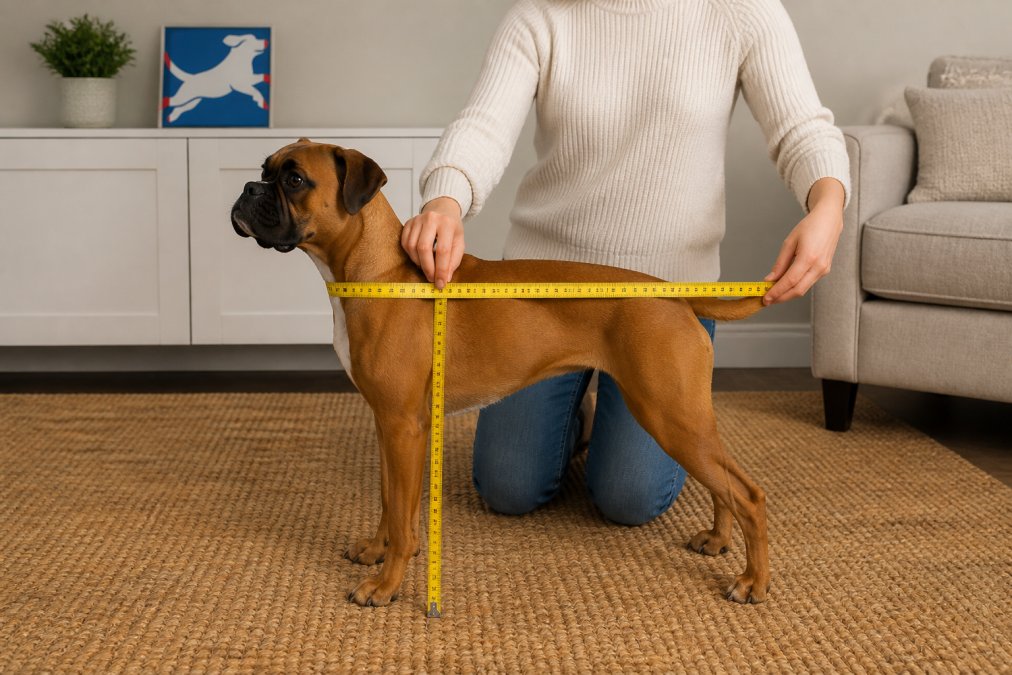
Record these measurements and your dog's weight for reference when comparing airline approved dog carriers.
TSA Pet Carrier Regulations and Compliance Standards
Understanding the regulatory landscape for pet carriers requires separating TSA screening procedures from airline cabin requirements, and recognizing that international travel introduces a third layer of compliance that most guides overlook.
Domestic In-Cabin Travel: TSA and Airline Standards
The TSA does not regulate pet carriers; individual airlines set their own standards. Your dog will be removed from the carrier during security screening, so quick-release zippers and top-loading access are valuable for smooth extraction while the carrier passes through the X-ray machine.
Airlines require secure closures to prevent accidental opening during flight. Heavy-duty zippers are standard; some carriers include safety tethers or redundant clips for backup security. Always verify your specific airline's dimensions and feature requirements directly rather than relying on "TSA compliant" labels.
Mesh ventilation panels are mandatory on most carriers. Carriers with breathable fabric on at least three sides provide better airflow and help your dog's ears adjust during cabin pressurization changes at takeoff and landing.
International Travel: USDA Endorsement and Crate Type Restrictions
For international travel, the USDA requires carriers to be "IATA-approved" (International Air Transport Association). IATA standards are stricter than domestic airline requirements, carriers must be hard-sided or semi-rigid with specific ventilation patterns, secure latches, and minimum floor thickness. Many soft-sided carriers that pass domestic checks do not meet IATA standards.
For international travel, contact the USDA's Animal and Plant Health Inspection Service (APHIS) and your destination country's agricultural authority 6-8 weeks before travel. Some countries require health certificates, microchip registration, and proof of vaccinations in addition to carrier compliance.
Airline-Specific Quirks and Documentation
Individual airlines enforce specific quirks not always published. Contact your airline's dedicated pet services team (not general customer service) with your carrier's exact model number and request written confirmation of compliance. Keep this documentation in your travel folder, gate agents sometimes override previous approvals if unfamiliar with a carrier model.
Soft-Sided vs. Hard-Sided Carriers: Which Is Right for Your Dog?
Both carrier types have distinct advantages, and the right choice depends on your dog's temperament, travel frequency, and specific needs.
Soft-Sided Carriers
Soft-sided carriers offer flexibility, lighter weight, and easy compression for under-seat storage. Many feature mesh panels on multiple sides for ventilation and visibility, with top-loading access and padded shoulder straps for airport navigation.
The main limitation is durability, soft-sided carriers offer less protection if luggage shifts or the carrier gets bumped, and fabric absorbs odors more readily than hard plastic.
Hard-Sided Carriers
Hard-sided carriers provide superior protection and durability, withstanding baggage handling and airport turbulence. They typically feature leak-proof bases (crucial for long flights or nervous dogs) and are easier to clean. The solid construction provides security for anxious dogs.
The trade-off is weight and portability, hard-sided carriers are heavier and require more storage space, though many modern designs incorporate collapsible components.
Essential Features for In-Cabin Travel
Essential features for airline approved dog carriers include: mesh ventilation on at least three sides for airflow; washable, removable liners for easy cleanup; padded shoulder straps and luggage handle pass-throughs for portability; and secure zipper locks with optional double zippers or safety tethers for redundancy.
Tips for Flying with a Dog in Cabin
Successful in-cabin travel depends on three phases: pre-flight acclimation, in-flight management, and post-flight recovery. Most guides focus on the first two; the third phase, carrier maintenance and stress reduction, is rarely addressed despite being critical for repeat travelers.
Pre-Flight Acclimation and Preparation
Begin acclimation 2-3 weeks before travel. Leave the carrier open and reward your dog for spending time inside. One week before travel, practice closing your dog in the carrier for 30-60 minutes to simulate flight duration. If your dog shows signs of distress, extend the timeline or consult your veterinarian.
Exercise your dog thoroughly before the airport, but feed a light meal 3-4 hours before departure to avoid digestive upset. Bring comfort items inside the carrier: a familiar blanket, worn t-shirt with your scent, or favorite toy.
Stress-Reduction Accessories and Calming Strategies
Pheromone sprays (dog-appeasing pheromones/DAP) applied to the carrier's blanket 15-20 minutes before travel reduce stress-related behaviors. Calming treats containing L-theanine, chamomile, or passionflower promote relaxation, give 30 minutes before departure after consulting your veterinarian. Anxiety wraps or compression vests apply gentle pressure to reduce cortisol levels, but must fit snugly without restricting breathing.
In-Flight Management
Keep your dog in the carrier under the seat throughout the flight. For flights longer than 4 hours, ask the flight attendant if you can briefly offer water at cruising altitude, policies vary by airline. Monitor your dog's breathing and behavior; alert a flight attendant if your dog shows extreme distress.
Post-Flight Carrier Maintenance and Hygiene
After your flight, inspect the carrier for accidents, spills, or debris. Even if your dog didn't have an accident, the carrier may have absorbed odors or moisture from the cabin environment. Proper cleaning extends the carrier's lifespan and prevents odor buildup that can stress your dog on future flights.
Comparing Airline-Approved Dog Carriers
When evaluating specific airline approved dog carriers, consider these factors side by side.
| Feature | Soft-Sided | Hard-Sided | Best For |
|---|---|---|---|
| Portability | Lightweight, collapsible | Heavier, rigid | Soft-sided for frequent travelers |
| Ventilation | Mesh on multiple sides | Limited mesh areas | Soft-sided for airflow |
| Durability | Moderate wear over time | Withstands heavy use | Hard-sided for protection |
| Leak-proof base | Often optional | Standard feature | Hard-sided for accidents |
| Storage | Compact when folded | Requires dedicated space | Soft-sided for home storage |
| Price range | Varies by brand | Varies by brand | Compare within your budget |
Common Mistakes to Avoid When Choosing a Carrier
The most common mistake is choosing a carrier based purely on price without verifying airline compliance. An inexpensive carrier that doesn't meet your airline's specifications wastes money and creates travel complications.
Frequently Asked Questions
What are the TSA pet carrier regulations for flying with dogs?
The TSA does not set specific carrier dimensions; individual airlines do. However, most airlines follow similar guidelines: carriers must fit under the seat in front of you, typically 17-19 inches long, 8-10 inches wide, and 7-8 inches tall. The carrier plus your dog's weight usually cannot exceed 20-25 pounds total. Your airline-approved dog carrier must have proper ventilation, secure zippers or latches, and a leak-proof base. Check your specific airline's website for exact requirements before booking.
How do I measure my dog for a travel carrier?
Measure your dog from the tip of their nose to the base of their tail, then add 2-3 inches for comfort. Measure height from the floor to the top of their head or ears when standing naturally. Your dog should be able to stand, turn around, and lie down in the carrier without their head touching the top. If your dog is between sizes, choose the larger carrier to ensure comfort during the flight and reduce travel stress.
Should I choose a soft-sided or hard-sided carrier for flying?
Soft-sided carriers are lighter, collapsible, and easier to store, making them ideal for frequent travelers. Hard-sided carriers offer better protection and durability, plus a more secure structure. For in-cabin travel, soft-sided carriers with mesh ventilation are popular because they fit under seats and provide good airflow. Hard-sided options work better if your dog is anxious or if you want maximum protection. Consider your dog's temperament, flight frequency, and storage space when deciding.
What features should an airline-approved dog carrier have?
Essential features include mesh ventilation panels for breathable fabric and airflow, a leak-proof base to protect the cabin floor, secure zippers or latches to prevent escapes, and a shoulder strap for easy carrying. Look for carriers with a collapsible frame if you travel often, top-loading or side-loading access for easy entry, and washable liners for hygiene. A luggage handle pass-through allows you to attach the carrier to your rolling luggage, and safety tethers keep your dog secure during turbulence.