 ultimate-guide
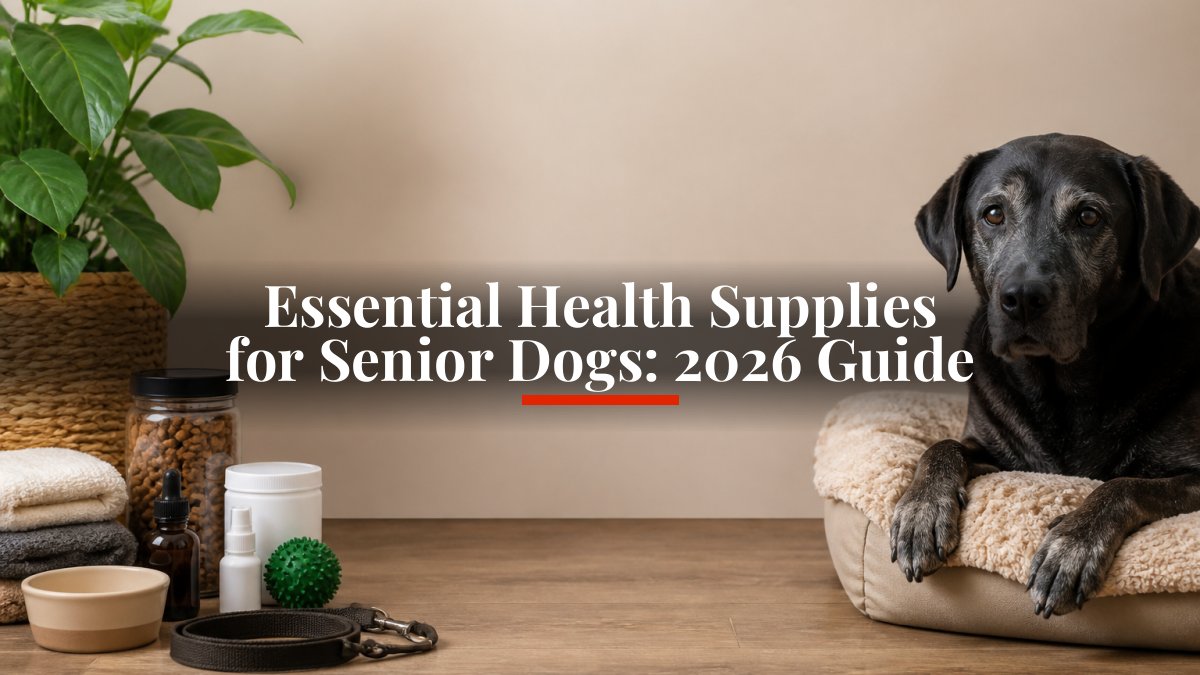
Essential Health Supplies for Senior Dogs: 2026 Guide
Table of Contents
- Essential Health Supplies for Senior Dogs: A Complete Framework
- Senior Dog Nutritional Requirements and Weight Management
- Best Dog Health Supplements for Joints and Mobility
- Senior Dog Mobility Aids: Ramps, Harnesses, and Traction
- Orthopedic Bedding and Home Safety Modifications
- Grooming, Hygiene, and Incontinence Care for Aging Skin
- Cognitive Health, Anxiety Relief, and Mental Stimulation
- Your Veterinary Diagnostic Checklist and End-of-Life Comfort
- Frequently Asked Questions
Last Updated: October 4, 2026
Essential Health Supplies for Senior Dogs: A Complete Framework
Essential health supplies for senior dogs are the tools, bedding, mobility equipment, and dietary adjustments that keep an aging dog comfortable, mobile, and mentally engaged in their final years. The American Veterinary Medical Association notes that dogs are living longer than ever, which means more owners are managing age-related decline at home.
Below, we break down the seven supply categories that matter most, plus the safety warnings and veterinary checkpoints most guides skip.
Signs Your Dog Needs Senior-Specific Supplies
Age-related decline rarely announces itself. Watch for stiffness after rest, reluctance on stairs, accidents indoors, or a duller response to their name. These signals usually mean joint mobility, cognitive function, or continence has shifted, not that your dog is simply "slowing down."
The 7 Essential Supply Categories
- Joint and mobility support (supplements, ramps, harnesses)
- Orthopedic bedding with pressure-point support
- Nutritional adjustments for metabolic changes
- Grooming and hygiene supplies for thinning coats
- Cognitive and anxiety support (puzzles, calming aids)
- Incontinence care (pads, belly bands, wipes)
- Veterinary monitoring tools (scales, pill organizers, records)
Senior Dog Nutritional Requirements and Weight Management
Senior dog nutritional requirements shift toward fewer calories and more digestible protein. Many owners keep feeding the same portion from age three, which quietly adds weight and strain on aging joints.
Calorie Control and Metabolic Changes
Metabolic changes mean your dog burns less energy at rest. Reduce portions gradually and weigh your dog monthly on a home scale. A common mistake is cutting food too fast, which strips muscle. Muscle atrophy accelerates when protein drops alongside calories.
Key Nutrients for Aging Dogs
Look for senior-specific formula blends with vitamin D, zinc, and omega fatty acids for immune cell function and inflammation reduction. Digestive health often improves with added fiber. Ask your vet before stacking supplements, since bioavailability varies widely between brands.
Best Dog Health Supplements for Joints and Mobility
The best dog health supplements for joints combine glucosamine, chondroitin, and omega fatty acids, the trio most studied for collagen support and joint mobility in aging dogs. The FDA Center for Veterinary Medicine guidance on animal supplements explains that pet supplements are not reviewed for efficacy before sale, so label scrutiny falls on you.
Glucosamine, Chondroitin, and Omega Fatty Acids
Glucosamine and chondroitin support cartilage structure, while omega fatty acids address inflammation reduction. Natural supplements with adaptogens are increasingly common, but evidence is thinner. Give joint supplements with food to improve absorption and reduce stomach upset.
Ingredient Safety Warnings
Check for xylitol, which is toxic to dogs, and avoid human-grade capsules dosed for people.
Senior Dog Mobility Aids: Ramps, Harnesses, and Traction
Senior dog mobility aids are the fastest way to restore independence. A support harness takes pressure off the spine during stairs, while traction aids stop slipping on hard floors.
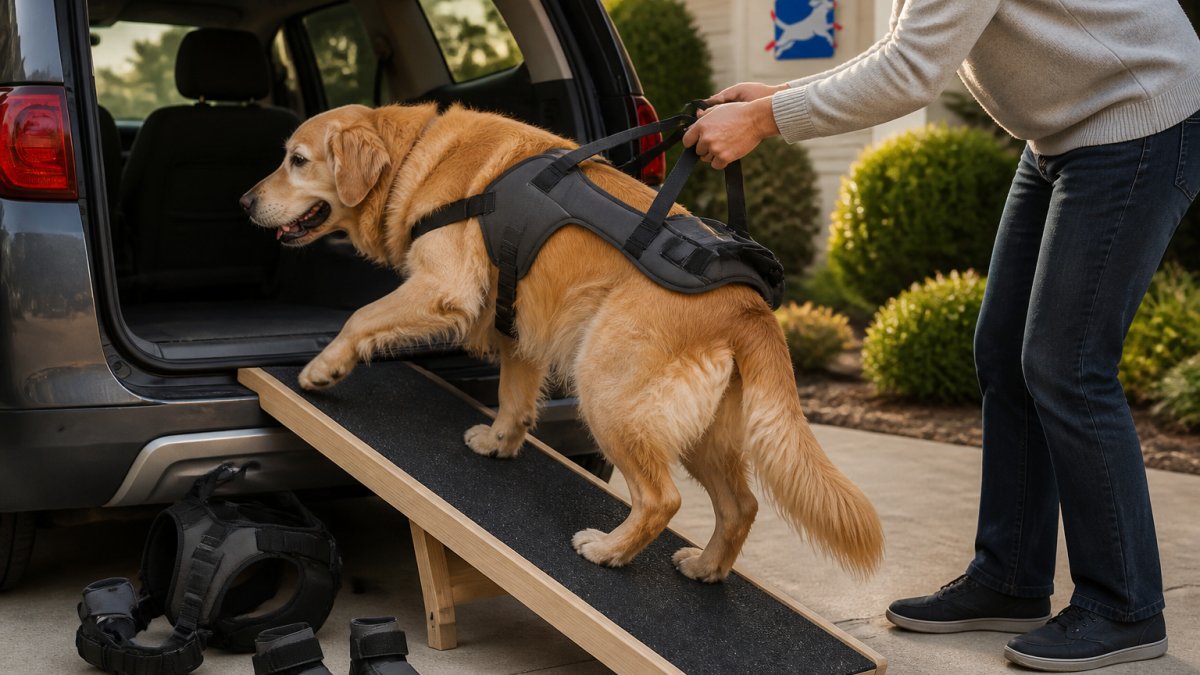
Ramps beat stairs for cars and couches. For weak hind legs, a belly sling lets you lift without gripping the abdomen. Incontinence care overlaps here: waterproof covers on ramps and beds save constant laundering.
Orthopedic Bedding and Home Safety Modifications
Orthopedic support bedding distributes weight across pressure points, which matters most for dogs with arthritis or hip dysplasia. Therapeutic bedding with memory foam holds its shape better than shredded fill, which flattens within months.
Home safety modifications are the angle most guides skip. Block stair access with gates, add non-slip rugs on tile, raise food bowls to reduce neck strain, and keep night lights on for dogs with failing vision.
Grooming, Hygiene, and Incontinence Care for Aging Skin
Aging changes the skin itself, not just the coat. The epidermis thins, sebaceous glands produce less oil, and circulation to the skin declines, so a senior dog's coat loses luster, feels dry, and tears more easily during brushing. That is why grooming shifts from cosmetic upkeep to a weekly health check you perform with your hands.
Coat and Skin Protocol for Senior Dogs
- Brush before you bathe. A soft slicker or rubber curry removes loose undercoat without dragging on thin skin. Work in the direction of the coat, and stop at any lump, scab, or hot spot you find.
- Bathe less, moisturize more. Most senior dogs do well on a bath every four to six weeks using an oatmeal or colloidal-oatmeal shampoo. Over-bathing strips what little oil the skin still produces.
- Check the pressure points. Elbows, hocks, and hips are where calluses and pressure sores form first. A dog who lies down more often needs those spots inspected weekly.
Incontinence Care Without Skin Damage
Incontinence is one of the most common reasons senior dogs are surrendered, and it is almost always manageable at home. The goal is to keep urine off the skin, because urine scald, a chemical burn from ammonia in urine, develops within hours on already-thinned skin.
- Waterproof pads under bedding, not towels. Towels wick moisture to the skin; pads lock it away.
- Belly bands for male dogs who mark or leak. Change the liner every few hours, not once a day.
- Fragrance-free wipes after every accident, then a barrier ointment on any reddened skin.
The Grooming Kit That Actually Earns Its Space
You do not need a full grooming table. A soft slicker brush, a metal comb for checking for mats, nail clippers or a grinder, oatmeal shampoo, fragrance-free wipes, a barrier ointment, waterproof pads, and belly bands cover the vast majority of senior grooming and hygiene needs. Everything else is optional.
Cognitive Health, Anxiety Relief, and Mental Stimulation
Cognitive decline in dogs mirrors some of what happens in aging people: neural connections weaken, sleep-wake cycles drift, and the dog becomes less able to filter noise and change. The supplies that help fall into three buckets, enrichment, calming support, and routine structure, and the ingredient-safety gap most guides skip is that calming products are not automatically safe just because they are sold for pets.
Enrichment That Actually Engages a Senior Dog
A senior dog will not chase a ball for an hour, but they will still work for food. That is the lever to pull.
- Food puzzles at the easiest difficulty setting. Snuffle mats, lick mats, and treat-dispensing balls let a dog use scent and problem-solving without physical strain.
- Scent games. Hide three treats in one room and let the dog find them. Nose work is low-impact and mentally demanding.
- Short training refreshers. Two or three minutes of "sit," "touch," and name recognition keeps learned pathways active.
Calming Support and Anxiety Relief
Anxiety in senior dogs often shows up as nighttime pacing, vocalizing, or clinginess. Aromatherapy and calming aids can help, but the mechanism matters: dog-safe essential oils are diffused, never applied undiluted to the coat, and some oils that are fine for humans are toxic to dogs.
- Dog-safe diffused oils include lavender and chamomile in a well-ventilated room. Never use a diffuser in a closed crate or small unventilated space.
- Avoid tea tree, eucalyptus, citrus, peppermint, and wintergreen around dogs. These are common in human aromatherapy kits and are not safe for canine use.
- Pheromone diffusers and calming chews can take the edge off situational anxiety, such as thunderstorms or travel.
Routine as a Cognitive Supply
Structure is a supply you do not have to buy. Feed, walk, and bed at consistent times, keep night lights on for dogs with failing vision, and reduce sudden household changes. Senior dogs with cognitive decline do measurably better when their environment is predictable, and predictability costs nothing.
When to Ask Your Vet About Cognitive Support
If you are seeing disorientation, staring at walls, altered sleep, or house-soiling in a dog who was previously reliable, that is a veterinary conversation. Prescription diets and medications exist for canine cognitive dysfunction, and they work best when started early. Bring a written log of the behaviors and when they started.
Your Veterinary Diagnostic Checklist and End-of-Life Comfort
A veterinary consultation every six months catches age-related decline before it becomes a crisis. Bring a written log of appetite, water intake, mobility, and accidents.
Diagnostic checklist to request:
- Full blood panel including kidney and liver values
- Thyroid screening
- Joint and mobility assessment
End-of-life comfort supplies deserve early planning, not a rushed purchase. Orthopedic bedding, easy-clean pads, and a sling for lifting make the hardest months gentler. The American Veterinary Medical Association end-of-life care resources offers guidance on quality-of-life assessments.
| Supply Category | What It Solves | When to Introduce |
|---|---|---|
| Joint supplements | Cartilage and mobility decline | First stiffness |
| Orthopedic bed | Pressure-point pain | Any arthritis diagnosis |
| Support harness | Hind-leg weakness | Stairs become hard |
| Traction rugs | Slipping on hard floors | Immediately |
| Food puzzles | Cognitive decline | Age seven onward |
| Incontinence pads | Accidents and skin health | First indoor accident |
Frequently Asked Questions
What are the most important health supplies for senior dogs?
The essentials include joint supplements with glucosamine and chondroitin, orthopedic bedding for pressure relief, mobility aids like ramps and harnesses, and a senior-specific diet. You should also have grooming tools for aging skin, cognitive support supplements, and incontinence supplies. A veterinary diagnostic checklist helps you track age-related decline. Prioritize items that address your dog's specific mobility, metabolic changes, and comfort needs.
What do senior dogs need nutritionally?
Senior dog nutritional requirements shift toward fewer calories but higher quality protein to maintain muscle mass. Look for senior-specific formulas with omega fatty acids for inflammation reduction, antioxidants for immune cell function, and added vitamin D and zinc. Digestive health support and collagen support become more important. Always transition to a senior diet gradually and consult your vet about metabolic changes affecting weight management.
Do senior dogs need special orthopedic bedding?
Yes. Orthopedic support is critical for aging joints. Therapeutic bedding distributes weight evenly, reduces pressure on hips and elbows, and helps with inflammation reduction. Memory foam or egg-crate designs work well for dogs with arthritis or muscle atrophy. Look for covers that are machine washable for grooming hygiene and incontinence care. Place beds in draft-free areas and consider heated options for cold-nosed seniors.
How do I manage mobility issues in senior dogs at home?
Start with senior dog mobility aids: ramps for furniture and cars, support harnesses for stairs, and traction aids like rugs or booties on slick floors. Modify your home by blocking stairs and adding night lights. Keep food and water bowls elevated to reduce neck strain. For muscle atrophy, short, frequent walks on soft surfaces help. Always consult your vet before starting new exercises or supplements.
What are the signs my dog needs senior-specific health products?
Watch for slowing down on walks, difficulty rising, stiffness after rest, weight gain or loss, and changes in coat or skin. Cognitive function may decline, showing as confusion or anxiety. Digestive health issues like constipation or incontinence often appear. If you notice these age-related decline signs, introduce joint mobility supplements, orthopedic bedding, and senior nutritional balance. A veterinary consultation confirms which supplies fit your dog.
How can I improve the quality of life for my aging dog?
Focus on comfort and engagement. Provide therapeutic bedding, traction aids, and easy access to outdoors. Use cognitive health supplements and puzzle toys for mental stimulation. Keep grooming hygiene up with gentle brushing and skin checks. Manage weight with portion control and joint-friendly exercise. Aromatherapy and anxiety relief products help with stress. Regular veterinary checkups catch issues early, and end-of-life comfort supplies ensure dignity in later stages.
Watching a dog age is hard, and the supply list can feel overwhelming. Shop and Bark stocks the essentials in one place, with a fast, user-friendly shopping experience, a customer service team that helps you match products to your dog's specific needs, and affordable prices on quality items. Start with the mobility and bedding categories first, then build from there. Shop Now and give your senior dog the comfort they've earned.